Whole Home Surge Protector Cost 2026: Install Prices
A whole home surge protector costs about $300 installed in 2026, with most homeowners paying between $250 and $700 for the device and professional installation. The unit itself runs $60 to $600 depending on the type and surge rating, and a licensed electrician typically charges $150 to $500 for a one to three hour install. Figures below reflect 2026 national contractor pricing; local quotes vary, so get 3 local quotes from licensed electricians before you commit.
Every year, power surges quietly destroy thousands of dollars in household electronics. A single lightning strike a mile away, a transformer failure down the street, or even your own air conditioner cycling on can send a spike through your wiring that fries circuit boards in your HVAC system, refrigerator, washer, and home office gear. A whole home surge protector sits at your electrical panel and clips those spikes before they reach anything. Here is what it costs in 2026 and how to buy the right one.
How much does a whole home surge protector cost installed?
Most homeowners spend $250 to $700 for a professionally installed panel-level surge protector. The national average sits near $300, and typical contractor all-in jobs land between $300 and $800 when you count the device, labor, a dedicated breaker, and any permit fees.
| Package | Typical installed cost (2026 estimate) |
|---|---|
| Budget Type 2 unit, pro installed | $250 to $450 |
| Mid-tier unit with higher surge rating | $450 to $700 |
| High-end or dual-stage protection | $700 to $1,200+ |
| Device only (no labor) | $60 to $600 |
| Pro install bundled with a panel upgrade | $300 to $1,200 added to the panel job |
The wide spread comes down to two choices: which device you buy and how much labor your panel requires. A basic Type 2 unit on a modern 200-amp panel is a quick job. An older panel that needs cleanup work, or a house with a main panel plus subpanels that each need protection, pushes toward the top of the range.
Type 1 vs Type 2 vs Type 3: what the types mean
Surge protectors come in three types, and the type decides where it is installed and what it covers. For a whole home job, you are choosing between Type 1 and Type 2.
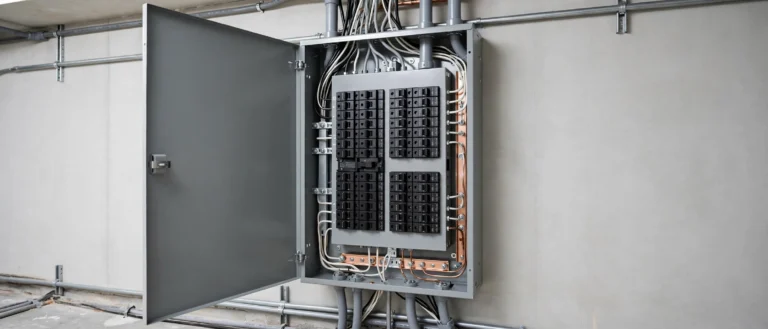
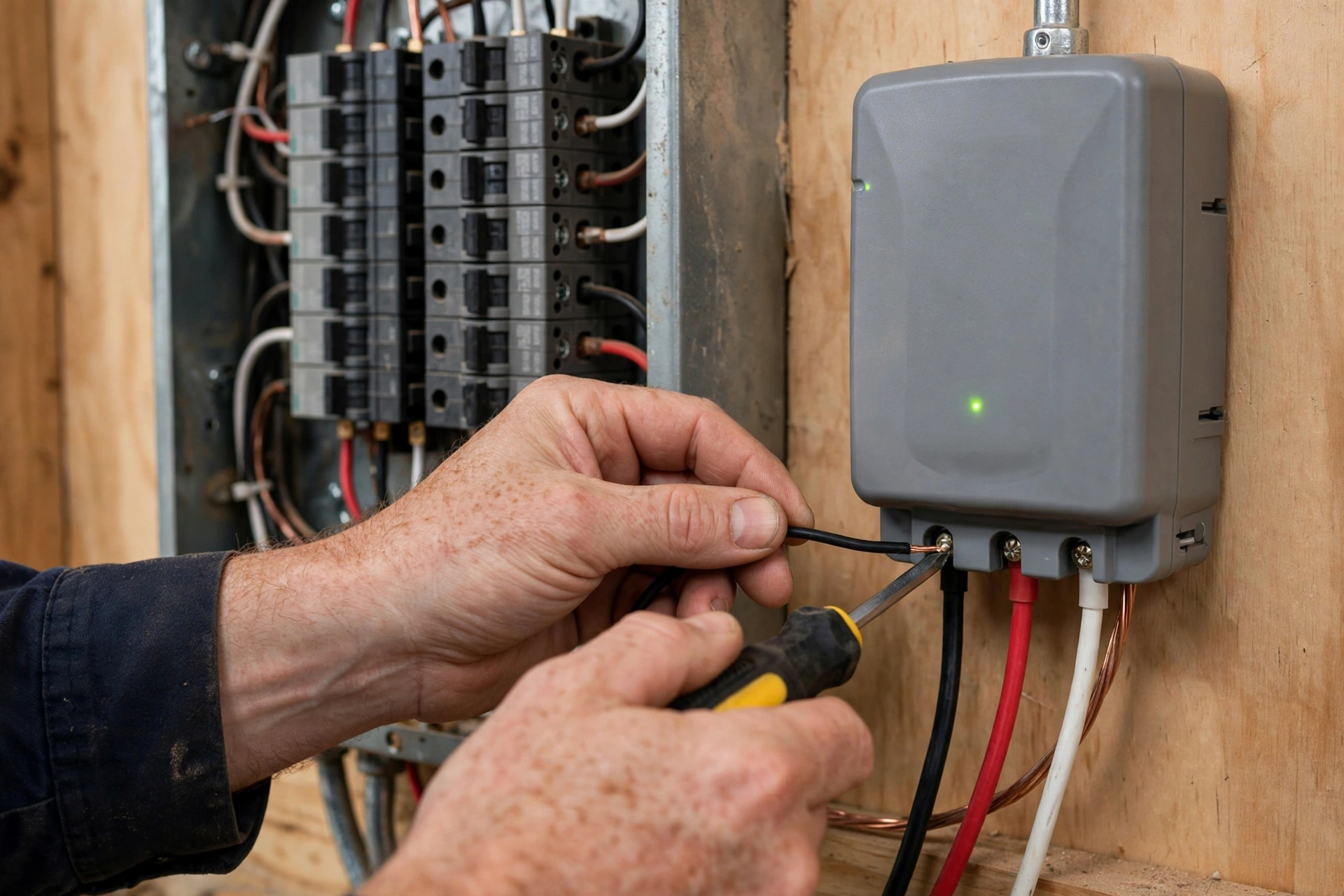
Type 2 is the standard residential choice. It mounts inside or beside your main breaker panel on the load side, the same side your branch circuits are on. It protects everything downstream of the panel. Device-only prices run $60 to $300, and the install is usually the simplest.
Type 1 installs on the utility side of the main disconnect, sometimes at the meter base. It is common on new service installations and can require coordination with your utility company. Device-only prices run $100 to $600, and the extra logistics can add labor cost.
Type 3 is the power strip on your desk. At $10 to $25 each, point-of-use strips are not a substitute for whole home protection, they do not protect hardwired equipment like your HVAC system or water heater, and they do not satisfy the code requirement that now exists for panel-level protection. They are the second layer, not the first.
Surge protector prices by device and rating
Retail prices vary mostly by type and surge current rating, measured in kA (kiloamps). Here is what the popular residential models cost in 2026.
| Device (example) | Type | Surge rating | Typical device price (2026) |
|---|---|---|---|
| Eaton BRNSURGE | Type 2 | Entry level | ~$45 |
| Eaton CHSPT2SURGE | Type 2 | Standard | $50 to $80 |
| Square D plug-on SPD | Type 2 | Standard | ~$105 |
| Leviton Type 2 panel SPD | Type 2 | 48 kA per phase | $150 to $250 |
| Siemens Boltshield FSPD140 | Type 2 | 140 kA | $200 to $300 |
| Eaton CHSPT2ULTRA | Type 2 | 108 kA | $200 to $300 |
| Meter-base Type 1 units | Type 1 | Varies | $100 to $600 |
A higher kA rating does not mean stronger protection against a single big surge. Think of it like tire tread: each surge the device absorbs wears it down a little, and a higher rating means more life before it is spent. A 140 kA unit is not “tougher” than a 60 kA unit in one strike, it simply lasts longer in a house that sees frequent smaller surges.
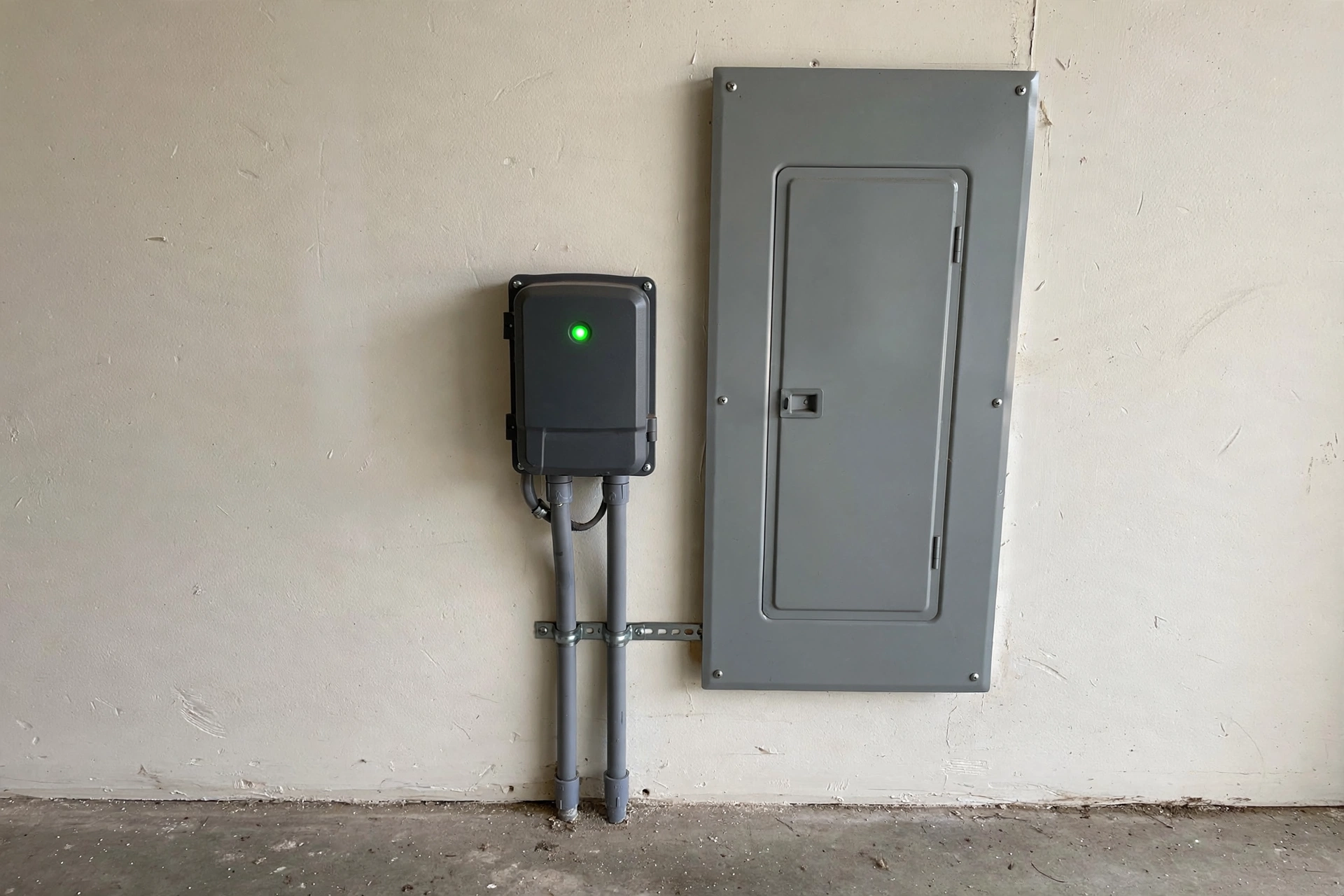
The other spec to check is the voltage protection rating, sometimes called clamping voltage. Lower is better here. For a panel SPD, look for 330 to 400 volts. A status LED indicator is also worth having: it tells you at a glance whether the device is still alive.
Electrician labor: what the install involves
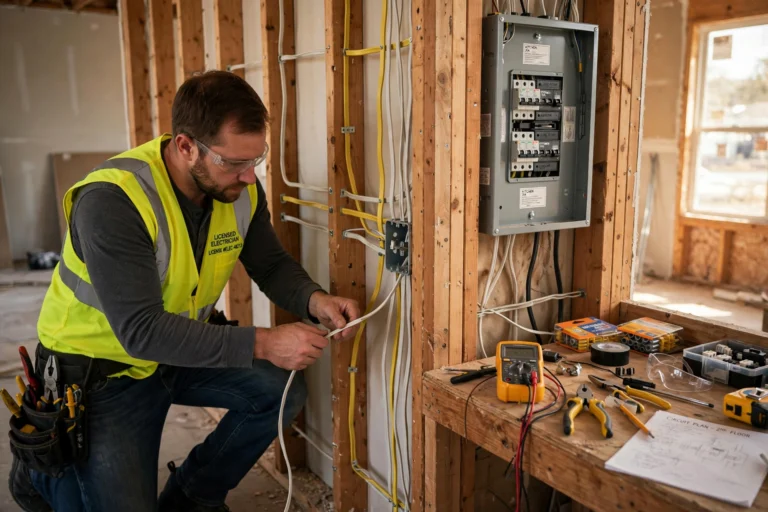
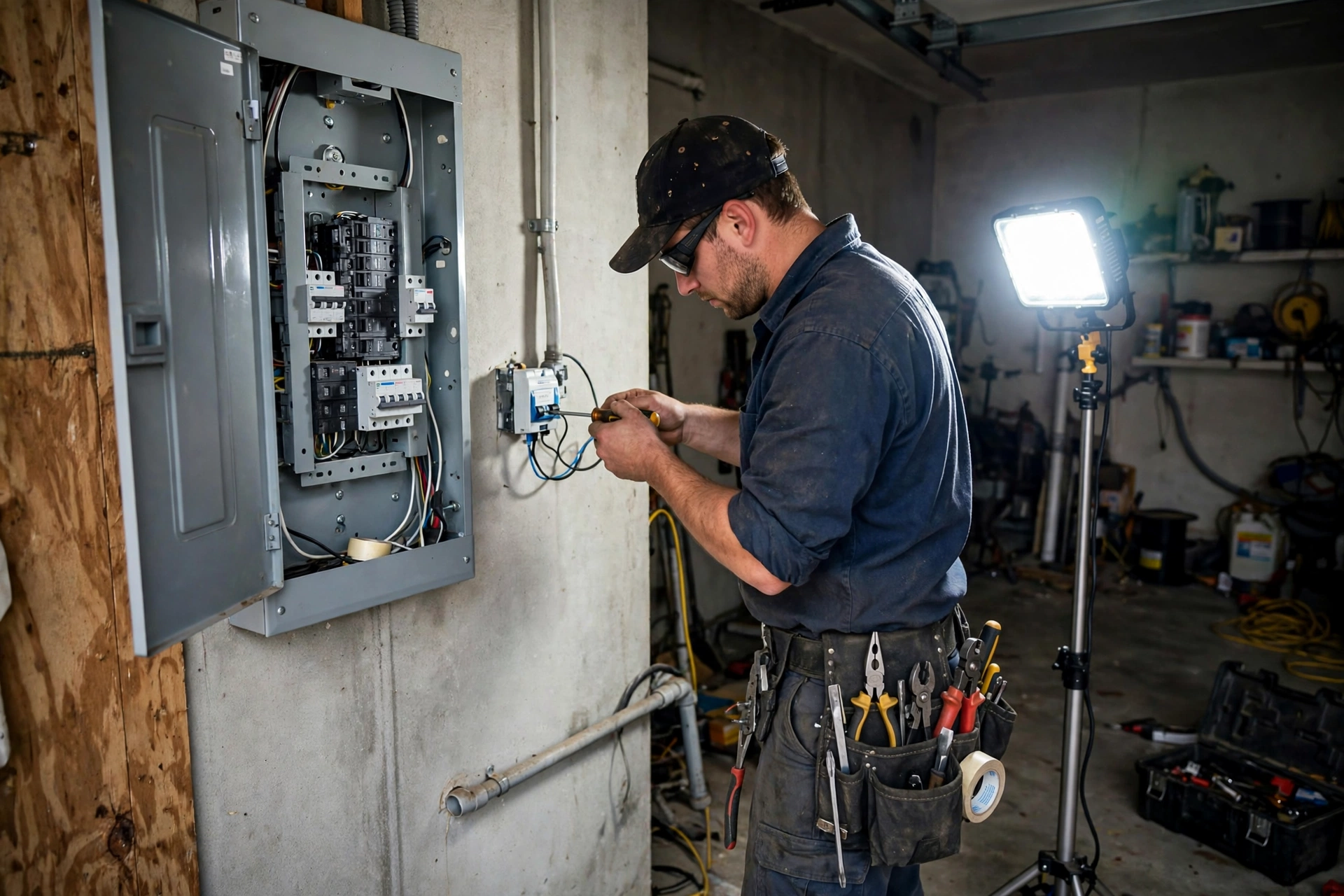
Professional installation labor alone runs $150 to $500, and most jobs take one to three hours. A simple Type 2 install on a modern panel is often under an hour: the electrician shuts off the main, installs the SPD on the shortest possible leads (short leads matter for performance), wires it to a dedicated double-pole breaker of 15 to 50 amps, restores power, and confirms the status light is on.
What can make the job longer and more expensive:
- Panel brand compatibility. The SPD or breaker should match the panel brand. Square D Homeline and QO parts are not interchangeable, and neither are Eaton BR and CH. Some plug-on units snap straight to the bus bars; most need that dedicated breaker.
- Panel age and condition. A tired panel with brittle wiring or no spare breaker spaces needs cleanup or an upgrade before an SPD can be mounted safely.
- Multiple panels. A main panel plus one or more subpanels may each need their own device to be fully covered.
- Permits and inspections. Fees run $25 to $200 depending on the jurisdiction, and some electricians roll them into the quote while others list them separately.
- Utility coordination. Type 1 meter-base installs can require the utility to pull the meter, which adds scheduling and sometimes a fee.
If your panel is old enough to need an upgrade anyway, bundling the SPD into that job is the smartest money you can spend. A panel upgrade already covers the permit, the electrician visit, and the labor of working in the panel, so adding surge protection typically adds only $300 to $1,200 to the panel job instead of standing alone at $250 to $700. Related reads: electrical panel upgrade costs, ceiling fan installation costs, and EV charger installation costs.
What a whole home surge protector protects (and what it does not)
A panel-level SPD guards everything downstream of the panel: the circuit boards in your HVAC system, refrigerator, washer and dryer, well pump, EV charger, and anything plugged into your outlets. Given that a single blown HVAC control board can cost $500 to $1,500 to replace, the math favors protection.
What it does not do matters just as much:
- Direct lightning strikes to the house. No panel SPD handles a direct hit. That requires a lightning rod system with proper grounding.
- Power outages. A surge protector does nothing during a blackout. Battery backup or a UPS covers that.
- Surges on cable, phone, or coax lines. These need their own protection modules, which some SPDs include as add-ons.
Best practice is a layered approach: the panel-level SPD for the whole house, plus point-of-use strips at your most sensitive gear like the TV, gaming PC, and home office. The panel unit takes the big hit so the strips have less to do.
What affects the price?
- Surge rating. Higher kA devices cost more but last longer in surge-prone areas.
- Type and location. Type 2 panel mounts are the cheapest install; Type 1 meter-base units can add utility coordination cost.
- Panel condition. Full breaker spaces, compatible brand, and clean wiring keep the job simple. Anything else adds labor.
- Service size. 200-amp service is standard residential; larger services may need bigger devices or more of them.
- Subpanels. A detached garage or workshop panel usually needs its own SPD.
- Permits. $25 to $200 depending on where you live, sometimes required even for this small job.
- Your quote spread. Electricians routinely quote $200 to $700 for the same job, so three quotes is not a suggestion, it is the strategy.
How long do they last and how do you know when one is dead?
Under normal surge exposure, a panel SPD lasts 5 to 10 years. In high-surge areas with frequent storms or unstable utility power, that drops to 2 to 3 years. Remember the tire tread analogy: every absorbed surge eats some of the rating, and the device eventually wears out even if nothing looks wrong.
The status LED is your dashboard light. Check it monthly. If the LED goes off or the unit starts sounding an alarm, the device is spent and must be replaced, even if every appliance in the house still works. A dead SPD looks identical to a live one from the outside, which is why that light matters.
Warranties typically run 3 to 5 years limited, with Leviton offering a limited lifetime warranty on some units. Several brands also offer connected-equipment warranties that pay toward replacing plugged-in devices damaged by a surge the SPD failed to stop. Read the fine print: many require proper installation by a licensed electrician and registered product claims.
DIY vs hiring a pro
The install happens inside your live service panel, inches from the main conductors that carry the full current of your house. For that reason, nearly every source and every electrician recommends a licensed electrician. A pro also keeps permits, inspections, the manufacturer warranty, and any insurance claim clean if a surge later damages something.
A skilled DIYer can do the job for $100 to $400 in materials: the device, a breaker, and connectors. But you must pull a permit where required and know your local code, and one wrong move inside a live panel can be fatal. This is not a learn-as-you-go project.
Money-saving tips
- Buy the unit yourself at retail for $45 to $105 and pay an electrician for one hour of labor at $150 to $250. You land near the national average of about $300 without paying markup on the device.
- Bundle it with a panel upgrade, EV charger install, or any other panel work so you pay for one visit and one permit.
- Get three quotes. Labor quotes from $200 to $700 for the same job are completely normal in this trade.
- Match the device to your panel brand. A compatible plug-on unit cuts install time to well under an hour.
- Skip the cheapest Type 3-only approach. Power strips do not protect hardwired equipment and do not satisfy code for dwelling-unit services.
- Check with your insurer. Some companies offer equipment protection riders or small discounts for documented whole-home surge protection.
Code note: NEC 230.67
Since the 2020 edition of the National Electrical Code, expanded in 2023, a Type 1 or Type 2 surge protector is required on services supplying dwelling units. That covers new service installations and replacement equipment like panel upgrades and meter-base swaps. If your panel predates the 2020 code cycle, you are not required to retrofit. But the next permitted panel or service replacement must include an SPD to pass inspection. State adoption varies, so check which code cycle your local inspector enforces.
FAQs
How much does a whole home surge protector cost installed in 2026?
About $300 on average, with most professionally installed jobs landing between $250 and $700. The device runs $60 to $600 depending on type and rating, and electrician labor runs $150 to $500 for a one to three hour install, plus $25 to $200 for a permit where required.
Is a whole home surge protector worth it?
For most homeowners, yes. One surge can destroy circuit boards worth thousands: an HVAC control board alone can cost $500 to $1,500 to replace. At roughly $300 installed, the device pays for itself the first time it absorbs a meaningful surge.
Does it protect against lightning?
It protects against lightning-induced surges on the utility lines, which is how most lightning damage reaches indoor equipment. It does not protect against a direct strike to your house. Direct strikes need a lightning rod system.
Do I still need power strips?
Yes, as a second layer. The panel SPD handles the big events for the whole house, but point-of-use strips at sensitive gear like TVs and computers add valuable clamping for what gets through.
How do I know if mine is still working?
Check the status LED monthly. If it is off or the unit sounds an alarm, the device is spent and needs replacement, even if everything in the house appears fine. Most units last 5 to 10 years under normal conditions.
Can I install it myself?
Physically, yes, if you are experienced with electrical work. Practically, hire a licensed electrician. The work happens inside a live service panel near the main conductors, and a pro keeps the permit, inspection, warranty, and insurance picture clean.
Will it lower my home insurance?
Sometimes. A few insurers offer equipment protection riders or small premium discounts for documented whole-home surge protection. It is worth a call to your agent, but do not buy the device on that assumption alone.