Whole House Generator Cost 2026
A standby generator that powers your whole house costs between $8,000 and $16,000 installed in 2026, according to Generac’s own published range for a typical residential project. That whole house generator cost covers the unit, an automatic transfer switch, labor, permits, and the gas connection. Most homes installing a standard 22 kW system land between $10,000 and $16,000 all in, while difficult sites with long gas runs or panel upgrades can push the total past $20,000.
Before you size anything, it helps to know where your panel stands. Our guide to circuit breaker replacement cost explains the breaker and panel issues an installer will check first.
The price varies because no two installs are the same. A smaller 14 kW unit serving essential circuits runs thousands less than a 26 kW unit backing up a fully electric 3,500 square foot home, and that spread is why whole house generator cost figures cover such a wide range. Getting 3 local quotes from certified dealers is the surest way to pin down your number, because labor rates and permit fees swing wildly by zip code.
This guide breaks down what you actually pay for, from the generator itself to the concrete pad it sits on. You will see typical pricing by size and brand, running costs once the power goes out, and how to avoid overpaying for capacity you will never use. Every figure is a realistic 2026 estimate drawn from contractor pricing, and each section shows how it shapes your whole house generator cost.
A standby generator pairs well with surge protection. See our whole home surge protector cost guide for what that protection adds to the project.
How Much Does a Whole House Generator Cost?
For planning purposes, budget $8,000 to $16,000 for a complete standby install. Angi’s 2026 data shows a national average closer to $5,160, but that blends in many smaller installs. Realistic whole house generator cost for a mid size home with a 22 kW unit, transfer switch, and professional gas hookup sits in the $10,000 to $16,000 band.
| Size | Typical gear | Unit price | Installed total |
|---|---|---|---|
| 12 kW | Smaller air cooled unit | $2,500 to $4,000 | $4,000 to $6,500 |
| 14 kW | Air cooled, essential circuits | $3,000 to $4,500 | $6,000 to $9,500 |
| 18 kW | Air cooled, mid size home | $4,000 to $5,500 | $8,000 to $12,500 |
| 22 kW | Generac Guardian 22 kW with 200A switch | $4,500 to $6,500 | $10,000 to $14,000 |
| 24 kW | Generac Guardian 24 kW with 200A switch | $5,000 to $7,100 | $10,500 to $14,500 |
| 26 kW | Large air cooled unit | $6,000 to $8,000 | $12,000 to $17,000 |
| 38 to 50 kW | Liquid cooled, large estates | $10,000 and up | $20,000 to $35,000 and up |
The jump from 22 kW to 24 kW is small on paper and even smaller in your wallet. A 24 kW Generac Guardian lists about $400 above the 22 kW version, and installers say the labor is essentially identical. Many dealers now quote 24 kW by default, which is an easy win if your load sits near the top of the 22 kW range.
One more number worth knowing: installation labor alone typically adds $3,000 to $6,000 on top of the equipment. On complex sites with trenching, long gas lines, or panel work, the labor portion of the whole house generator cost can nearly match the price of the unit itself.
Cost by Brand: Generac vs Kohler vs Cummins
Generac owns roughly three quarters of the residential market, and generac whole house generator cost sets the benchmark everyone else is measured against. A 22 kW Guardian installed typically lands between $10,000 and $14,000, and that whole house generator cost gets you the brand’s huge dealer network, which means parts and service are easy to find when a storm has knocked out half your county.
| Brand | Typical 20 to 22 kW unit | Installed range | Warranty |
|---|---|---|---|
| Generac Guardian 22 kW | $4,500 to $6,500 | $10,000 to $14,000 | 5 year limited |
| Kohler 20 kW | $6,000 to $9,000 | $12,000 to $16,000 | 5 year / 2,000 hr |
| Cummins QuietConnect 20 kW | $6,500 to $8,500 | $13,000 to $18,000 | 5 year / 2,000 hr |
| Briggs and Stratton 22 kW | $6,400 retail | $8,500 to $15,500 | 7 year |
Kohler positions itself 20 to 30 percent above Generac. A 20 kW Kohler installed typically runs $12,000 to $16,000, with quieter operation and a five year, 2,000 hour warranty. Cummins sits at the top of the price ladder with 20 kW installed costs of $13,000 to $18,000, built for industrial duty with a smaller dealer network. That premium whole house generator cost only makes sense if you value the brand’s heavy duty reputation or need the extra durability.
Briggs and Stratton’s 22 kW PowerProtect is worth a quote as a fourth option, with a seven year warranty and installed prices starting near $8,500. When you compare, make sure each quote includes the same transfer switch type, because a 200 amp whole house switch versus a load managed sub panel changes the whole house generator cost by a thousand dollars or more.
What Installation Includes
A whole house generator cost is never just the box. Roughly a third to half of the total goes to everything around it. Here is where the money goes on a typical 22 kW install:
- Generator equipment: $5,500 to $6,700 for the unit plus transfer switch
- Automatic transfer switch work: $600 to $1,200 in materials and labor, about $1,200 of a typical job
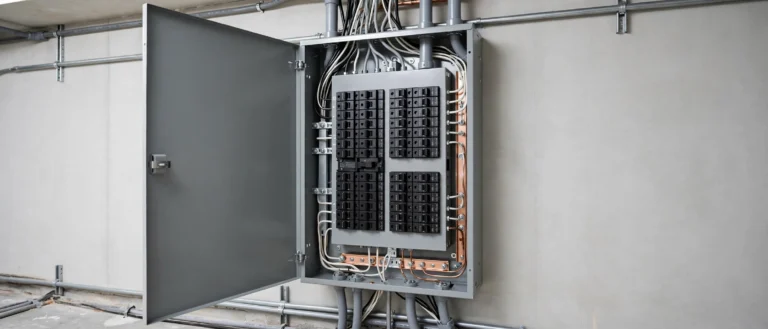
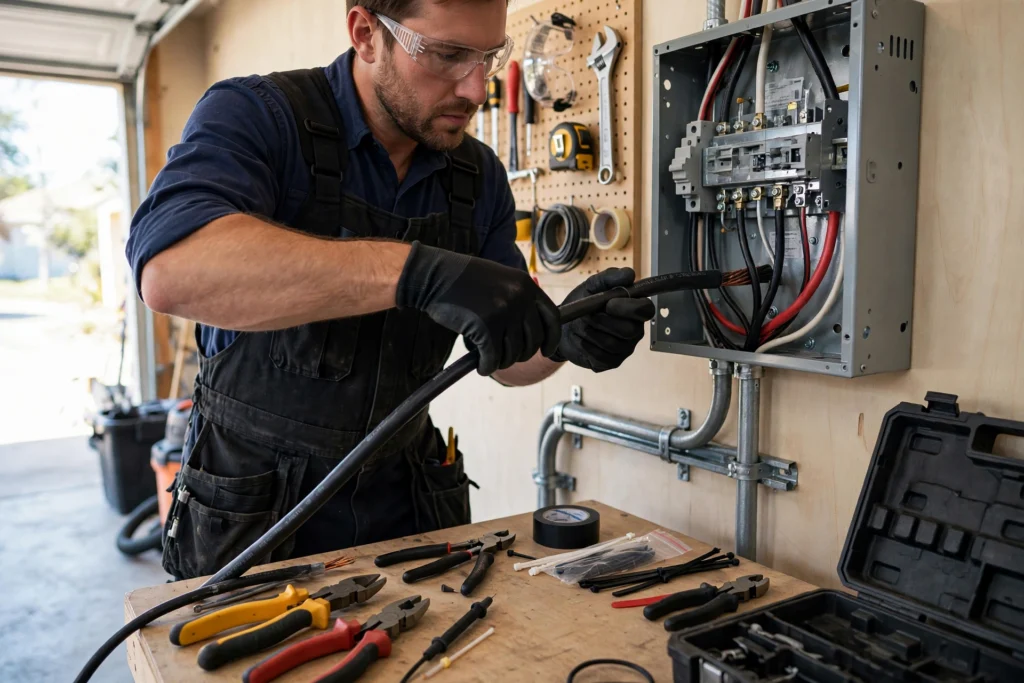
- Electrical hookup: $1,500 to $4,000 for wiring, breakers, and connections
- Gas line run: $750 to $3,000 for a licensed plumber to run and connect the line
- Concrete or composite pad: $200 to $800, or about $50 to $75 per square foot poured
- Permits and inspections: $100 to $500 depending on your locality
- Factory startup and commissioning: $150 to $400, which documents the install for the warranty
Two of those lines surprise people. First, your gas meter must be sized to feed the unit at full load, and an undersized meter or pipe can keep a 22 kW generator from making its rated power. Second, the cost to install a whole house generator rises fast when the gas line is long or the panel needs work, and these extras push the whole house generator cost higher than the equipment price suggests. A panel upgrade adds $2,800 to $4,500, and subpanel upgrades run $500 to $2,000. Always ask whether each quote includes panel and gas work or treats them as extras.
Generator Cost by Fuel Type
Natural gas is the default fuel wherever service exists. A 22 kW unit on natural gas burns about 316 cubic feet per hour at full load and 190 at half load, which works out to roughly $1.50 to $2.50 per hour or about $20 to $30 per day at half load, which keeps the ongoing fuel side of whole house generator cost modest.
Propane is the backup plan for homes off the gas grid. The tank itself costs $500 to $2,000 to buy, or about $250 to install as a rental plus annual fees. Fuel burn runs 2.1 to 3.6 gallons per hour, and the propane whole house generator cost to run can hit $10 to $25 per hour depending on the season. A ten day outage can mean $2,400 to $6,000 in fuel alone.
Diesel is rare in residential standby systems and mostly shows up in portable units. For most homeowners the choice is simple: natural gas if you have it, propane if you do not. Weekly exercise mode that self tests the unit costs about $4 to $5 per month in fuel, which is negligible next to the total whole house generator cost of ownership.
What Size Generator Do You Need?
Sizing starts with your loads, not your square footage, though size bands track loosely with house size. Essentials only, fridge, sump pump, lights, furnace blower, and a small window AC, are covered by a 10 to 14 kW unit. Mid size homes with central air land in the 14 to 20 kW band, or 18 to 22 kW once you add an electric water heater and a kitchen.
Larger or all electric homes need 20 to 26 kW for whole home backup. As a real world example, a 3,200 square foot home with propane heat and appliances runs fine on 16 kW, while the same home all electric needs 22 kW. Your electrician’s load assessment sets the final number, because motor starting surge runs two to three times the running watts of your largest motors, and undersizing to save on whole house generator cost can leave your air conditioners stalled on the hottest night of the year.
Note that a 22 kW unit derates to about 19.5 kW on natural gas, and load management modules let two air conditioners stagger their compressor starts. The practical takeaway: size for your realistic outage loads, not your dream loads. Every extra kilowatt adds to the whole house generator cost and to your annual maintenance, so an honest load list saves money twice.
Running and Maintenance Costs
Annual maintenance runs $200 to $500 per year through a dealer plan. Oil changes are due every 200 hours or two years, whichever comes first, plus filters, spark plugs, and load testing. Modern units self test weekly, which keeps the battery charged and flags problems early. Budget a transfer switch replacement of $1,200 to $2,000 after 10 to 15 years, since switches fail more often than generators, and planning for it keeps your lifetime whole house generator cost predictable.
Lifespan is 20 to 30 years with proper maintenance, though 15 to 20 years is the safer planning figure for air cooled residential units. An extended warranty to ten years costs $400 to $800, and the starting battery adds about $140 to $200. Spread over its life, whole house generator cost amortizes to roughly $500 to $1,000 per year including maintenance, which is the honest way to compare it against other backup options.
Warranty basics: Generac and Briggs and Stratton carry five and seven year coverage respectively, while Kohler and Cummins offer five years or 2,000 hours. Factory startup, $150 to $400, documents the install and protects the warranty. Skip it and you risk voiding coverage, which is the most expensive mistake in the whole process.

Standby vs Portable Generators
A portable generator costs $500 to $1,500 for the unit, or $1,000 to $4,000 installed with a transfer switch. It is manual, noisy, and limited by how much fuel you can haul, and it wears out in 1,000 to 2,000 operating hours. Frequent use means replacing it every three to five years.
A standby unit costs eight to sixteen thousand installed but starts itself, runs quieter, and lasts decades. It can also add resale value, recouping 40 to 70 percent of the whole home generator installation cost in perceived home value, similar to an upgraded HVAC system. If your area loses power several times a year, standby pays for itself in convenience and food saved.
Safety Rules That Affect Placement
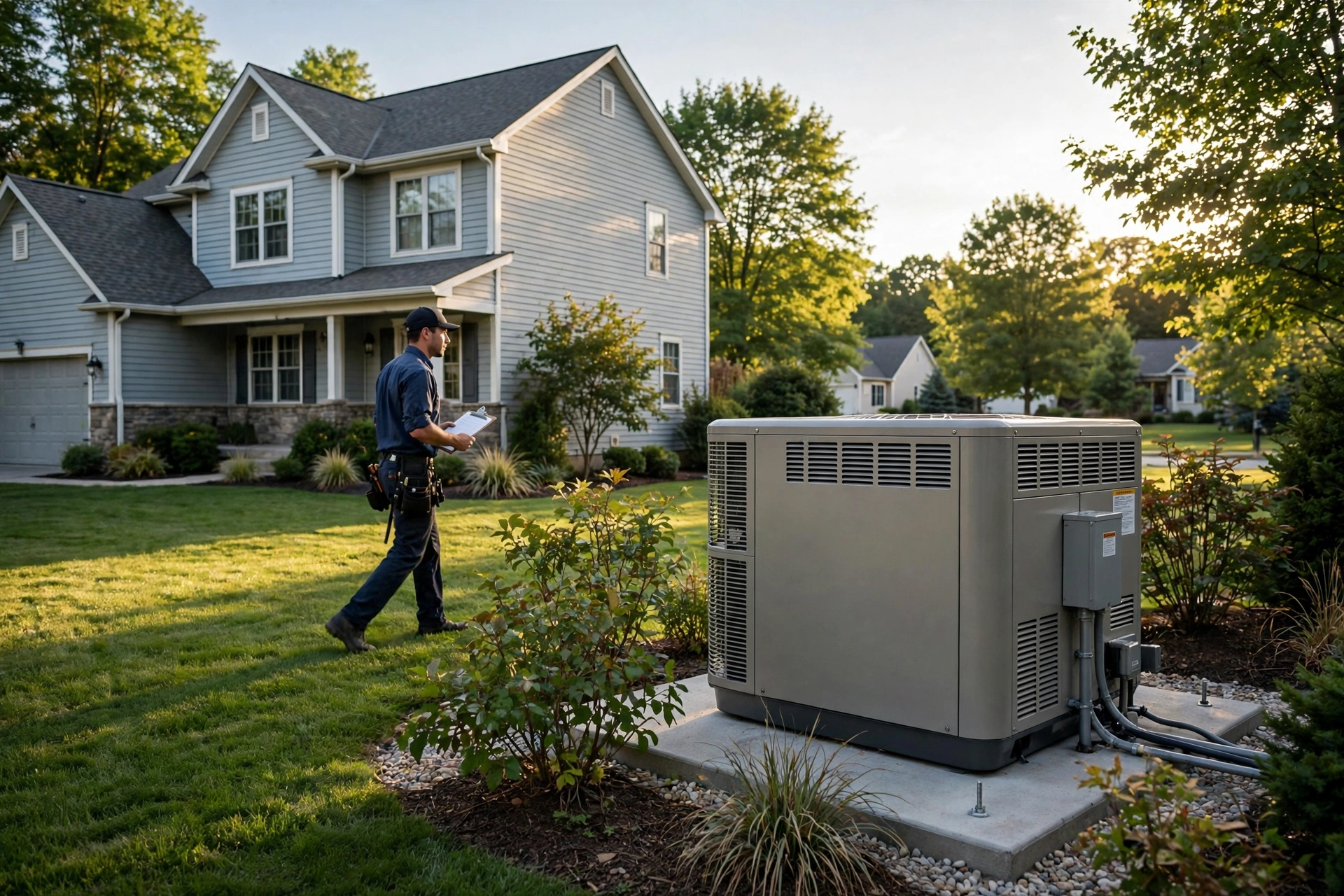
Never run any generator indoors or in an enclosed space, including garages. Stationary standby units must sit at least 20 feet from your home’s windows and doors, with carbon monoxide detectors installed nearby. Follow manufacturer clearances under NFPA 37, and get local permits and inspections for the electrical work.
Backfeeding is the other danger. Wiring must physically prevent the generator from feeding power back into the utility grid, which can electrocute line workers. A pro installer will site the unit, size the pad, and handle the permitting, and their quote folds all of that into your whole house generator cost. For the official safety checklist, review the power outage safety guidance from Ready.gov before your unit arrives.
Ways to Save
Be clear about incentives. There is NO federal tax credit for standby generators in 2026, so ignore any salesperson or article that promises one. State or utility rebates exist in some regions, but they are localized and limited. Check the DSIRE database of state incentives and your utility’s own program page before counting on anything.
Get three quotes from certified dealers and make them quote identical scopes: same transfer switch type, same pad, same gas run. Ask whether the quote includes factory startup, permits, and panel work, or whether those appear later as extras. The cheapest quote is rarely the cheapest job, but an itemized comparison is how you keep the whole house generator cost honest.
Frequently Asked Questions
How much does a whole house generator cost installed?
Most homes pay $8,000 to $16,000 all in for a standby system, which is Generac’s own published US range. A standard 22 kW lands between $10,000 and $16,000, and difficult sites can reach $15,000 to $25,000 or more. The unit is only about half the total; labor, gas piping, electrical work, and permits make up the rest.
What size generator do I need for a 2,500 square foot house?
Usually 20 to 24 kW with load management covers a 2,500 square foot home for near whole house backup. If you only need essentials like the fridge, sump pump, furnace blower, and lights, 14 to 18 kW is enough. A professional load assessment settles it, because motor starting surge on your air conditioners drives the sizing more than square footage does.
How much does it cost to run a whole house generator per day?
On natural gas, about $20 to $30 per day at half load, or $1.50 to $2.50 per hour at full load. On propane, $10 to $25 per hour depending on the season, which means a ten day outage can burn $2,400 to $6,000 in fuel alone. Weekly self tests cost about $4 to $5 a month in fuel.
How long does a whole house generator last?
Expect 20 to 30 years with annual maintenance. Oil changes every 200 hours or two years, plus filter and spark plug service, keep it healthy. The transfer switch may need replacing at 10 to 15 years.
Is there a tax credit for generators in 2026?
No federal tax credit exists for standby generators in 2026. Some states or utilities offer small rebates for backup power, so check the DSIRE database and your utility’s website. Never let a quote or a salesperson factor a federal credit into your pricing.
Should I get a portable or a standby generator?
If outages are rare and short, a portable at $500 to $1,500 does the job. If you lose power several times a year, have medical equipment, or run a home office, a standby is worth the upfront spend. Compare the amortized yearly whole house generator cost, roughly $500 to $1,000 per year, against the cost of spoiled food, burst pipes, and hotel nights.