Rewiring a House Cost 2026: Full Price Breakdown
Rewiring a house costs $6,000 to $12,000 in 2026 for a typical full rewire, which works out to about $3 to $10 per square foot. Across the full market, projects run from roughly $3,000 for a small home with easy access to $20,000 or more for a large older house that needs walls opened up. If your breakers keep tripping, your outlets are ungrounded, or your wiring is more than 40 years old, this guide breaks down exactly what you can expect to pay and why.
Rewiring a House Cost Overview
Here is a quick snapshot of what full and partial rewiring projects typically cost in 2026:
| Project | Typical Cost |
|---|---|
| Average full rewire | $6,000 to $12,000 |
| Full market range | $3,000 to $20,000+ |
| Cost per square foot | $3 to $10 |
| Partial rewire (per room) | $1,000 to $3,500 |
| New circuit added | $375 to $550 |
| Typical timeline | 3 to 10 days |
| Permit and inspection fees | $50 to $500 |
| Labor share of the total | 55 to 70 percent |
Cost to Rewire by House Size
Square footage is the biggest single driver of price, because more space means more outlets, switches, and circuits to wire:
| House Size | Typical Cost |
|---|---|
| 1,000 sq ft | $4,000 to $10,000 |
| 1,500 sq ft | $6,000 to $15,000 |
| 2,000 sq ft | $8,000 to $20,000 |
| 2,500 sq ft | $10,000 to $25,000 |
Two-story homes usually cost more than single-story homes of the same size because fishing wire between floors takes extra labor. Open attics and crawl spaces help; finished basements and plaster walls push the price up.
Partial Rewire and Per-Circuit Costs
You do not always need a full rewire. A partial rewire of a single room runs $1,000 to $3,500, which makes sense when only one addition or renovation area needs updating. Adding a new circuit for a kitchen appliance, workshop, or home office costs $375 to $550 per circuit. Installing a single standard outlet runs about $215 when an electrician is already on site.
Labor, Materials, and Permit Breakdown
Labor makes up 55 to 70 percent of a rewire, which is why quotes vary so much by region. Licensed electricians charge $50 to $130 per hour depending on experience and local demand, and a full rewire on a typical home can take 60 to 100 labor hours. Materials such as Romex cable, junction boxes, outlets, switches, and breakers make up most of the rest. Permit and inspection fees add $50 to $500 depending on your city or county.
Common Add-Ons and Code Upgrades
A rewire is often the right time to handle related upgrades, since the electrician and the walls are already involved:
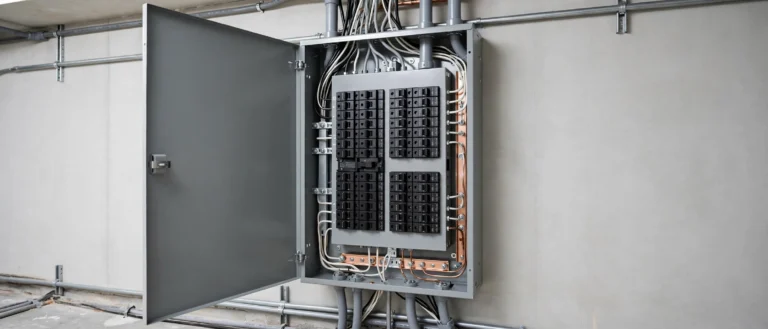
- Electrical panel upgrade: $1,500 to $4,000. Most rewires pair well with a 200-amp panel if your home still has an older fuse box or undersized panel.
- AFCI breaker: $111 to $219 installed. Arc-fault breakers are now required by code in bedrooms and living areas in most jurisdictions.
- GFCI outlet: $130 to $300 installed. Ground-fault protection is required in kitchens, bathrooms, garages, and outdoor locations.
- Standard outlet install: about $215. Useful when you want to add outlets where furniture or appliances actually sit.
Factors That Affect the Cost of Rewiring
- Age and type of existing wiring. Knob and tube or aluminum wiring costs more to remove and replace than standard copper.
- Access. Open attics and crawl spaces cut labor. Plaster walls and finished ceilings add it.
- Number of circuits and outlets. More devices and dedicated circuits mean more wire and more hours.
- Panel capacity. An undersized panel may force a panel upgrade alongside the rewire.
- Local labor rates and permits. Big-city markets and strict permitting cities run higher.
Rewiring Process and Timeline
Most full rewires take 3 to 10 days depending on house size and how much drywall repair is needed. The process usually looks like this:
- Inspection and quote. The electrician maps circuits and prices the job.
- Permits pulled. The contractor files with your local building department.
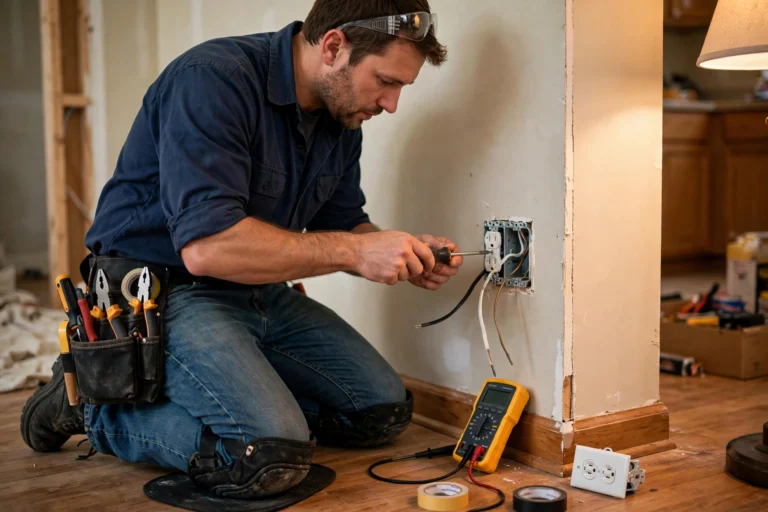
- Rough-in wiring. Old wiring comes out and new cable, boxes, and panels go in.
- Mid-project inspection. The inspector checks the rough-in before walls close up.
- Drywall repair and finish work. Holes get patched, then outlets and switches are installed.
- Final inspection. Power is restored and the job is signed off.
Can You DIY House Rewiring?
This is not a DIY project for most homeowners. Rewiring must meet the National Electrical Code, and nearly every jurisdiction requires a permit and a licensed electrician for this work. Mistakes can cause fires or fail inspection, which leads to expensive rework. The smart play is to hire a licensed electrician who pulls the permit and schedules the inspections. You can still save real money by handling drywall patching and painting yourself after the rough-in is done.
How to Save Money on Rewiring
- Get at least three quotes from licensed, insured electricians.
- Bundle a panel upgrade with the rewire instead of paying for a second visit later.
- Keep outlet and switch locations where they are when possible.
- Handle drywall patching and painting yourself.
- Ask about scheduling during slower months when electricians may discount.
- Clear attics, basements, and work areas before the crew arrives.
Frequently Asked Questions
How long does it take to rewire a house?
Most full rewires take 3 to 10 days. A small single-story home with open attic access can finish in under a week, while a large two-story home with plaster walls can take two weeks or more.
Do I need a permit to rewire my house?
Yes. Almost every city and county requires a permit and inspections for a rewire. Permit and inspection fees typically run $50 to $500. A licensed electrician usually handles the paperwork.
Do I have to move out during a rewire?
Usually not, but expect power shutoffs, dust, and some noise during work hours. If you work from home, plan around the noisiest days.
How do I know if my house needs rewiring?
Warning signs include frequent breaker trips, flickering lights, discolored or warm outlets, a burning smell, ungrounded two-prong outlets, and wiring that is more than 40 years old.
Related electrical cost guides: if your project also touches the service or adds new loads, check our guides to electrical panel upgrade costs, EV charger installation costs, and ceiling fan installation costs before you get quotes.