EV Charger Installation Cost 2026
Quick answer: A Level 2 home EV charger costs $800 to $2,000 installed in 2026 for a typical setup, with most homeowners landing near $1,500 to $1,700 all in. Hardware runs $400 to $800, and the electrician’s work usually costs more than the charger itself. If your electrical panel needs an upgrade, add $1,500 to $4,000. Level 1 charging from a regular outlet costs almost nothing extra, and DC fast charging is not a realistic home option.
Driving electric is the easy part. Getting your garage ready is where the surprises live, because two neighbors can pay wildly different prices for the same charger. The difference is almost never the charger brand. It is your panel, the distance from panel to charger, and your local labor rates. This guide breaks down the real 2026 costs so you can read a quote with confidence.
Important 2026 Update: The 30% Federal Tax Credit Ended
Before you price anything, here is the correction almost every older guide gets wrong. The 30% federal EV charger tax credit (Section 30C, capped at $1,000 for home installs) expired for any charger placed in service after June 30, 2026. If a guide, installer quote, or blog post still lists the credit as available, that information is out of date.
One exception: if your charger was installed and working before the June 30, 2026 deadline, you can still claim the credit when you file your 2026 taxes. New installations after that date do not qualify, no matter what an old article says. The rebates and utility programs covered later in this guide are the savings that actually still exist.
Average EV Charger Installation Cost in 2026
| Scenario | Hardware | Installation | Typical total |
|---|---|---|---|
| Level 1 (120V outlet charging) | $0 to $400 | $0 to $300 | $0 to $400 |
| Level 2, charger near panel with capacity | $400 to $800 | $400 to $1,000 | $800 to $1,700 |
| Level 2, average US install (Qmerit 2026) | $300 to $900 | $500 to $1,200 | $1,500 to $1,700 |
| Level 2, long wire run (20+ feet) or detached garage | $500 to $1,200 | $1,500 to $3,500 | $2,000 to $4,500 |
| Level 2 with panel upgrade | $400 to $800 | $2,000 to $6,000 | $3,000 to $7,000 |
| DC fast charger (home, rare) | Not practical for homes | $15,000+ | |
Level 1 vs Level 2 vs DC Fast Charging
| Charging level | Power | Miles of range per hour | Best for |
|---|---|---|---|
| Level 1 (120V household outlet) | 1.2 to 1.9 kW | 3 to 5 | Plug-in hybrids, low daily mileage (under 30 miles), renters |
| Level 2 (240V dedicated circuit) | 7.2 to 11.5 kW | 20 to 35 | Daily EV drivers who want a full battery overnight |
| DC fast charging | 50 to 350 kW | 100+ (public stations) | Road trips and public charging, not home installs |
Level 1 is basically free. Most EVs come with a portable 120V charging cord, and a dedicated garage outlet (a smart idea for safety, since cheap extension cords and EV charging do not mix) runs $150 to $400 installed. The catch is speed: eight hours overnight gives you roughly 30 to 40 miles. Fine for a plug-in hybrid or a short commute, painful for a 70-mile round trip.
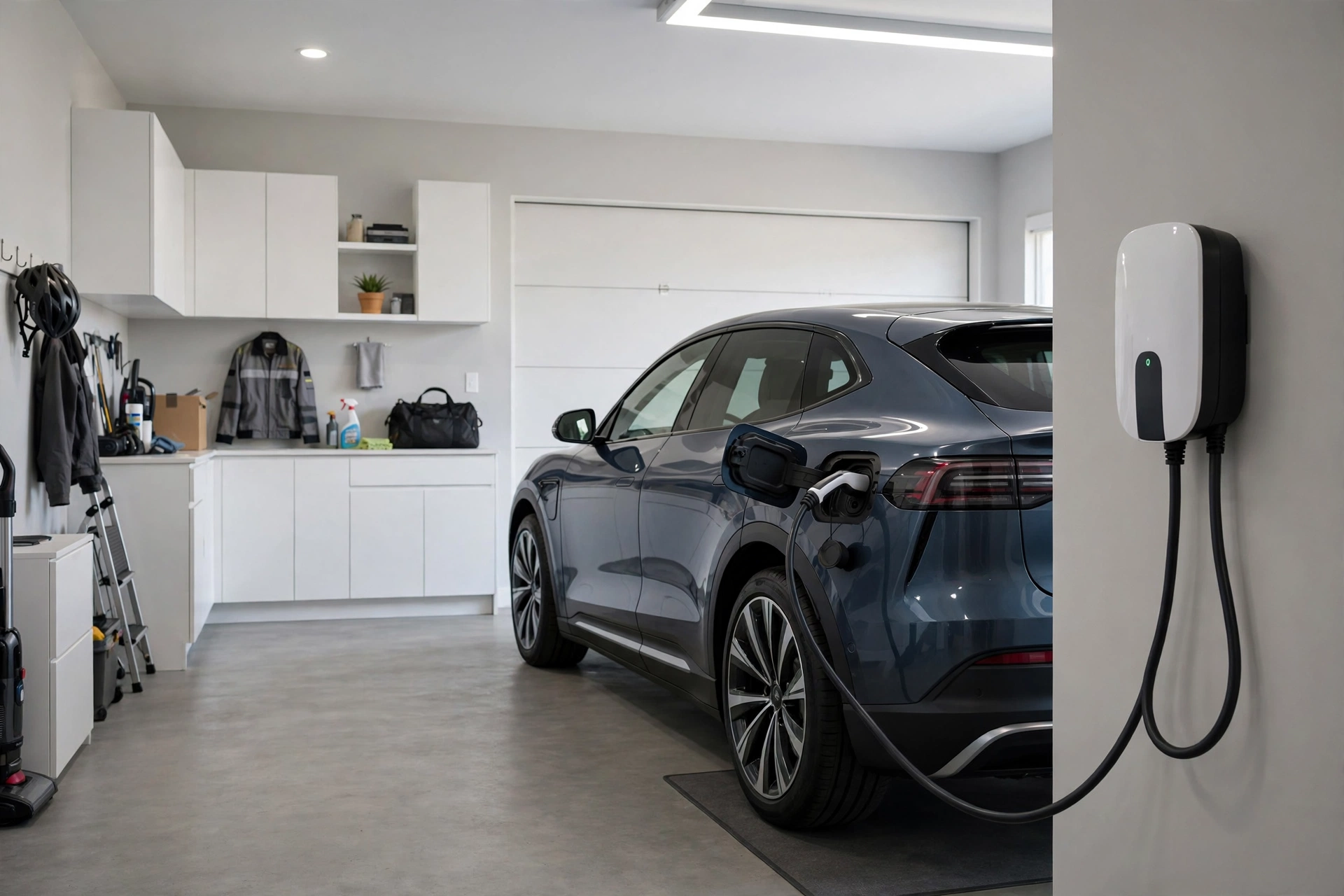
Level 2 is what most full-time EV owners install. A 240V circuit delivers 20 to 35 miles of range per hour, so an empty-to-full charge happens easily overnight. It is also more efficient: Level 2 runs at 90 to 95% efficiency versus 80 to 85% for Level 1, which saves roughly $30 to $50 a year in wasted electricity for a 12,000-mile driver.
DC fast charging belongs at rest stops, not in your garage. It requires commercial-grade electrical service, specialized cooling, and equipment alone can run $15,000 to $50,000 before installation. If an installer suggests a “home DC fast charger,” get a second opinion.
Level 2 Charger Hardware Costs by Brand
| Charger | Typical price | Notes |
|---|---|---|
| Emporia EV Charger | $449 to $479 | Budget pick; J1772 or Tesla-style NACS plug options |
| Tesla Wall Connector | About $535 | Best for Tesla-only households; integrates with the Tesla app |
| Tesla Universal Wall Connector | About $600 | Charges Teslas and non-Teslas; good for mixed households |
| ChargePoint Home Flex | $500 to $650 | Smart features, adjustable amperage, wide compatibility |
No affiliate links here, just the names to price-check. The honest truth is that brand matters far less than the install quality. A $449 Emporia installed by a great electrician beats a $650 charger installed badly every time. Pick a charger with the right plug for your car (NACS is becoming the US standard, and most new EVs will use it), then spend your energy vetting electricians.
What Drives Your Installation Price
1. Panel capacity (the big one)
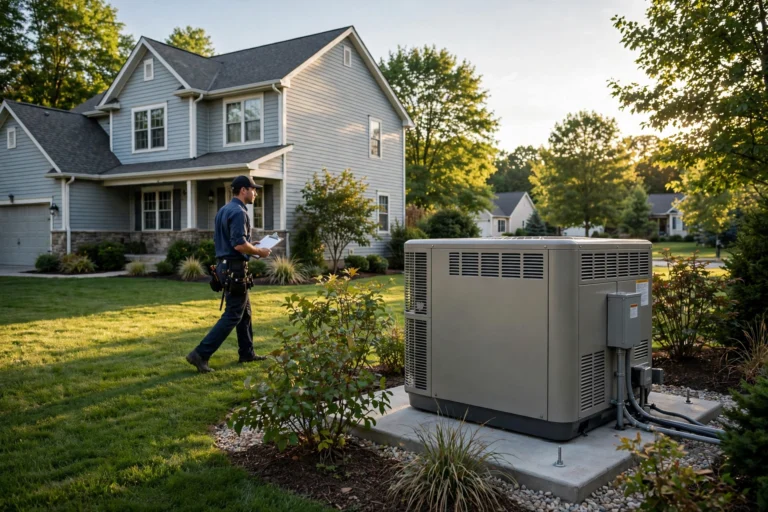
This is the single largest cost driver. A Level 2 charger pulls 32 to 48 amps continuously, and your panel needs enough spare capacity to handle it alongside your HVAC, dryer, and stove. Homes with 200-amp service and open breaker slots are the easy case. Homes with 100-amp panels, especially older ones, often need an upgrade before the charger can go in. See the panel upgrade section below.
2. Distance from panel to charger
Every foot of wire costs money. A charger mounted on the same garage wall as the panel might add only $200 to $400 in materials and labor. Routing conduit 50 feet across a finished basement, through masonry, or out to a detached garage can push the installation alone past $3,000. Short run equals cheap install.
3. Trenching to a detached garage or driveway pedestal
No garage, or a detached one with no electrical feed, means trenching conduit underground. Expect $1,000 to $3,000 extra depending on distance, soil, and surface (cutting and patching concrete or pavers costs more than plain lawn). Weatherproofing the outdoor run adds to the tab too.
4. Permits and inspection
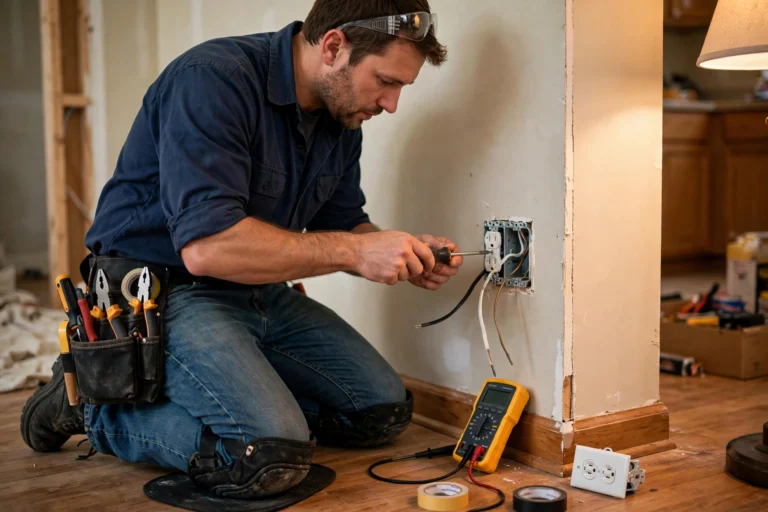
Almost every jurisdiction requires an electrical permit for a new 240V circuit, plus a final inspection. Permits typically run $50 to $300, and a few cities (New York is a famous example) require a licensed master electrician specifically, which narrows your options and raises prices. A permit also protects you: it documents the work for insurance and future home inspections. Never let an electrician skip it to save a buck.
5. Charger amperage and hardwired vs plug-in
Electrical code sizes the breaker at 125% of the charger’s maximum current: a 32-amp charger needs a 40-amp breaker, 40 amps needs 50 amps, and 48 amps needs a 60-amp breaker plus a hardwired connection (no plug). Higher amperage means thicker, pricier wire and sometimes a bigger conduit. For most drivers, a 40-amp setup is plenty; 48 amps mainly buys bragging rights unless you regularly arrive home nearly empty.
When Do You Need a Panel Upgrade?
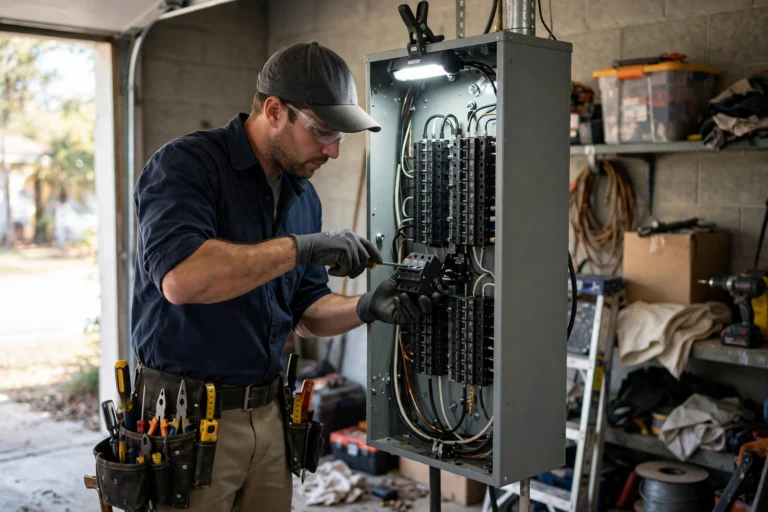
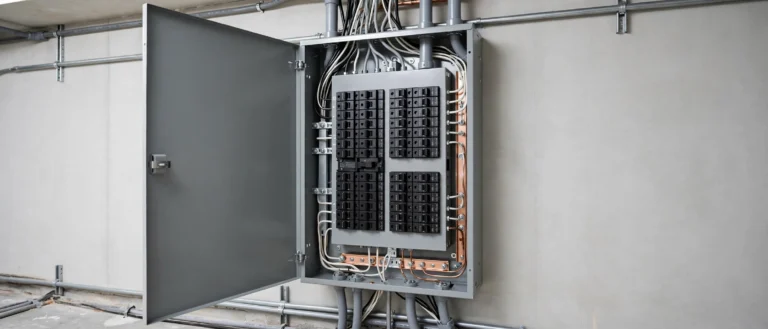
About a quarter of homes over 20 years old need panel work before a Level 2 charger goes in. Warning signs: a 100-amp service panel, a panel with no open breaker slots, frequent breaker trips, or a panel from a discontinued or recalled brand (your electrician will know the names).
A standard upgrade from 100-amp to 200-amp service runs $1,500 to $4,000 in 2026, and it turns a $1,500 charger install into a $3,000 to $7,000 project. That stings, but it also future-proofs the house for heat pumps, induction stoves, and any second EV. For the full breakdown of what drives panel costs, see our guide to electrical panel upgrade costs.
One middle ground worth asking about: a smart load management device. These $300 to $600 gadgets let your charger and another big load (like the dryer) share one circuit safely, sometimes avoiding a full panel upgrade entirely.
Rebates and Utility Programs That Still Exist in 2026
The federal credit is gone, but state and utility money did not disappear with it. More than 600 EV and charger incentive programs are still active nationwide, and the average residential Level 2 rebate is around $590. A few real examples:
- LADWP (Los Angeles): up to $1,000 toward a qualifying home charger and its installation ($1,500 for income-qualified customers).
- Pasadena Water and Power: up to $600 for a residential EV charger installation.
- South Coast AQMD (Southern California): $250 to $500 toward Level 2 charger hardware.
- Washington, DC: a 50% tax credit on equipment and labor for home charging stations, up to $1,000 per charger (expires December 31, 2026).
These programs change and run out of funding, so treat any list (including this one) as a starting point. Search your utility’s website and the DSIRE database for your ZIP code before you buy, and ask each electrician you quote with: good local installers usually know exactly which rebates their customers can claim.
How to Avoid Overpaying
- Get 3 quotes from licensed electricians, itemized. Hardware, labor, materials, permit, and any panel work should each be separate line items. In EV forums, homeowners regularly report quotes ranging from under $1,000 for a simple garage install to $3,000+ when trenching or panel work enters the picture, so one quote tells you nothing.
- Ask for a load calculation before anyone quotes panel work. A real electrician does the math on your panel’s spare capacity; a lazy one just quotes a $4,000 upgrade by default.
- Match the charger to your real driving. A 40-amp charger on a 50-amp circuit covers nearly everyone. Paying for 48 amps and thicker wire you will never use is an easy $300 to $500 to give away.
- Disregard any mention of the 30% federal credit. If a quote or installer still advertises it, their paperwork is months out of date, and you should double-check everything else they told you.
- Check rebates before scheduling. Some utility programs require pre-approval or a specific charger model. Installing first and asking later can disqualify you.
- Do not DIY a 240V circuit. This is high-amperage, continuous-load electrical work that must meet code and be permitted. A bad DIY install can void your home insurance and your car’s warranty.
Estimate Your Project
Our free cost calculators give instant estimates with no sign up. An EV charger calculator is on the roadmap, and the roof cost calculator is live now.
Frequently Asked Questions
How much does it cost to install an EV charger at home in 2026?
A Level 2 charger typically costs $800 to $2,000 installed, averaging around $1,500 to $1,700. Simple installs near an existing panel can dip under $1,000; long wire runs, trenching, or panel upgrades push the total to $3,000 to $7,000.
Can I charge my EV with a regular outlet?
Yes. Level 1 charging from a standard 120V outlet adds 3 to 5 miles of range per hour, or roughly 30 to 40 miles overnight. It works for plug-in hybrids and short commutes, but most daily EV drivers will want Level 2.
Do I need a permit to install an EV charger?
In most US cities, yes. A new 240V circuit requires an electrical permit and inspection, typically $50 to $300. Your electrician should handle the paperwork, and the inspection record protects you for insurance and resale.
Is the 30% federal EV charger tax credit still available?
No. It expired for chargers placed in service after June 30, 2026. Only installations completed before that deadline can still claim it on 2026 taxes. Ignore any guide that still lists it as current.
What rebates can I get for a home EV charger in 2026?
Utility and state programs are the main source now, averaging about $590 for residential Level 2 installs. Examples include LADWP (up to $1,000), Pasadena Water and Power (up to $600), and various utility rebates across the country. Check your utility’s website and the DSIRE database for your ZIP code.
Do I need to upgrade my electrical panel for an EV charger?
Maybe. If you have 200-amp service with open breaker slots, probably not. With a 100-amp panel or no spare capacity, an upgrade ($1,500 to $4,000) or a smart load management device ($300 to $600) may be required. Ask for a load calculation first.
How long does EV charger installation take?
A standard Level 2 install takes 2 to 4 hours. Add a day or more if a panel upgrade or trenching is involved, plus time for the permit and inspection to be scheduled.
Which home EV charger should I buy?
The Emporia ($449 to $479) is the value pick, the Tesla Wall Connector ($535) suits Tesla-only households, the Tesla Universal ($600) handles mixed garages, and the ChargePoint Home Flex ($500 to $650) offers strong smart features. Match the plug type (NACS or J1772) to your car first.
Last updated: October 2026. Cost figures reflect 2026 national averages from installer pricing data and contractor marketplaces. Always get local quotes from licensed electricians before committing.