Septic Inspection Cost 2026: What Inspectors Charge
A septic inspection costs $150 to $900 in 2026, with the national average sitting around $290. Most homeowners pay $300 to $650 for a full real estate inspection, while a basic visual check can run as little as $150 and camera inspections add a bit more.
If you own a septic system, inspections are the cheapest insurance you can buy. A failed drainfield can cost tens of thousands to replace, but a regular inspection catches small problems while they are still cheap fixes. And if you are buying a home with a septic system, the inspection is usually non negotiable. Here is what inspectors charge in 2026, what the different inspection types cover, and what the inspector actually does on site.
Septic Inspection Cost Overview
| Inspection Type | Typical Cost |
|---|---|
| National average | $290 |
| Typical range | $150 to $900 |
| Routine visual inspection | $150 to $450 |
| Real estate or transaction inspection | $300 to $650 |
| Camera inspection add-on | $125 to $500 |
| Dye or load test | $75 to $150 |
| Well and septic combo | $400 to $650 |
| Inspection with pumping | $400 to $650+ |
Pumping is usually a separate service that runs $295 to $610, so an inspection bundled with pumping naturally lands higher than an inspection alone.
Septic Inspection Types Explained
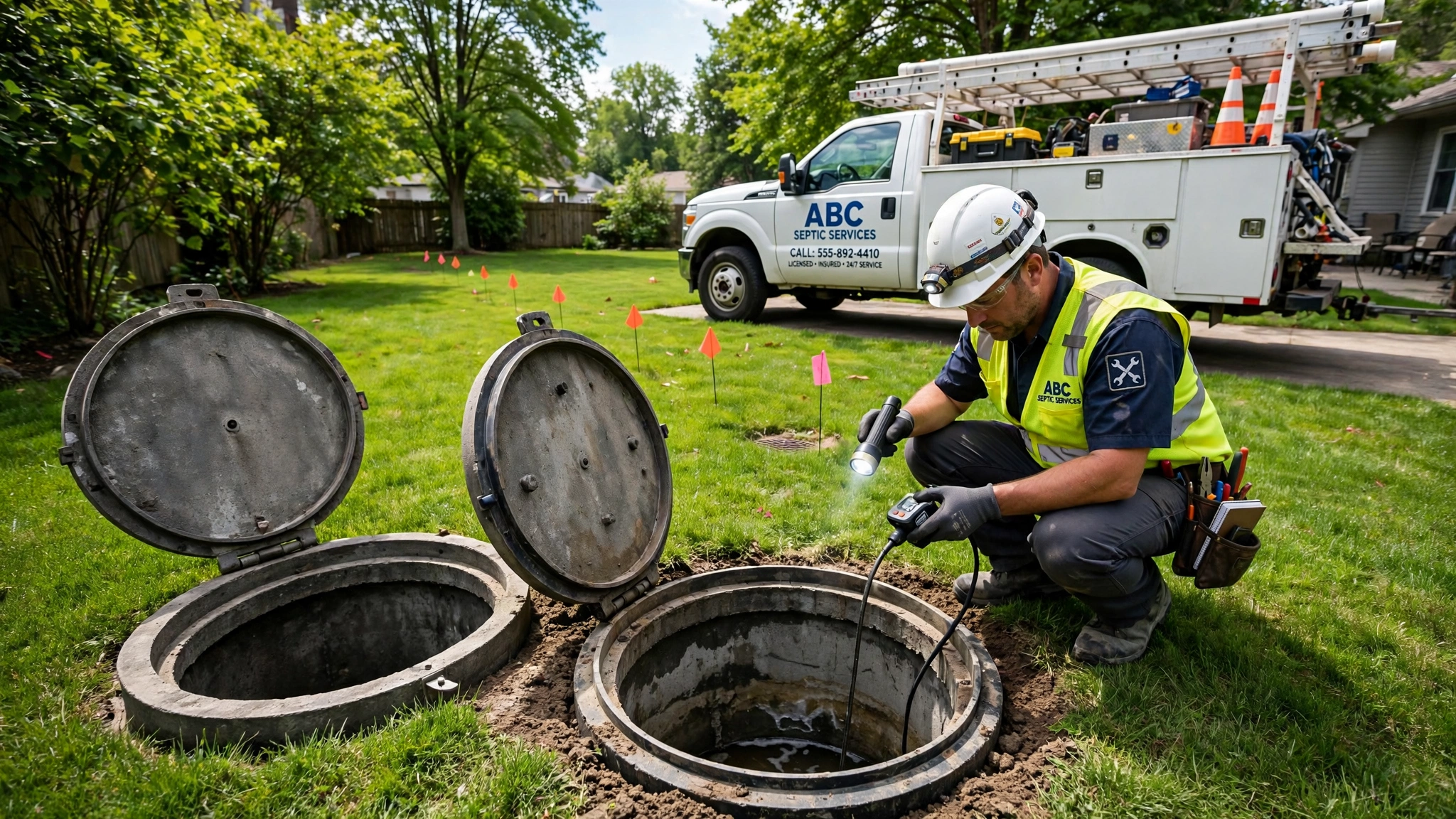
Not all septic inspections are the same, and the price follows the depth of the check. A routine visual inspection ($150 to $450) is the basic maintenance visit: the inspector checks sludge and scum levels, looks at the tank and baffles, and walks the drainfield for wet spots or odors. It takes about an hour and is what the EPA has in mind when it recommends an inspection every 1 to 3 years.
A real estate or transaction inspection ($300 to $650) is more thorough. These are done for home sales, and many states and lenders require them. The inspector documents the whole system, often including a dye or load test that proves the drainfield can handle a full day of water use. Some jurisdictions even require the tank to be pumped as part of the sale inspection.
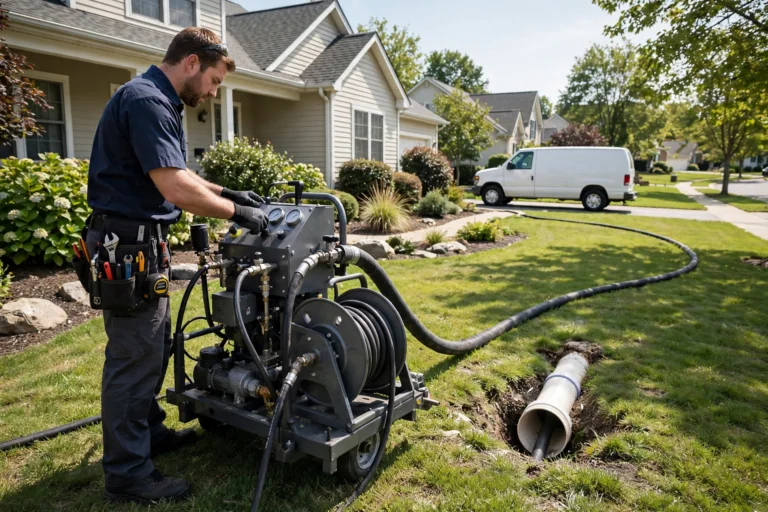
A camera inspection ($125 to $500) sends a small camera down the pipes to spot cracks, roots, and blockages. It is the best way to see what is happening inside lines you cannot dig up, and it is often recommended when a system is older than 20 years. A dye or load test ($75 to $150) is simpler: the inspector introduces dye or a large volume of water and watches for surfacing, which reveals a failing drainfield.
Septic Inspections and Home Sales
If you are buying a house with a septic system, budget $300 to $650 for the inspection and plan it early in the contingency period. This is not the inspection to skip. A seller disclosure can only tell you so much, and discovering a failed drainfield after closing can mean a $10,000 to $30,000 replacement bill.
Sellers should consider getting an inspection before listing. Knowing the system passes gives buyers confidence, and finding problems early lets you fix them on your schedule instead of under the pressure of a closing date. Many buyers also ask for the tank to be pumped as part of the deal, which adds $295 to $610 unless you bundle it with the inspection for $400 to $650 plus.
What the Inspector Actually Checks
A full inspection takes 1 to 2 hours. Here is what the inspector goes through:
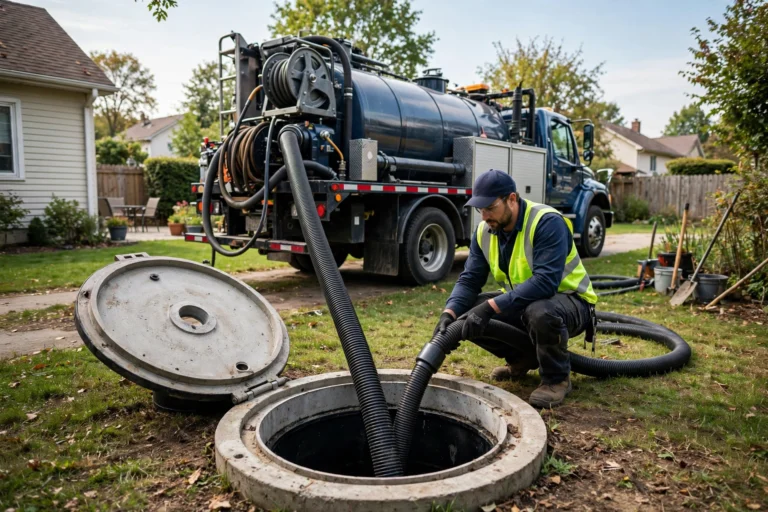
Tank condition. The lid comes off and the inspector checks the tank walls for cracks, the inlet and outlet baffles for damage, and the sludge and scum layers to see if pumping is due.
Water tightness. The water level in the tank tells a story. A level that is too high or too low points to leaks or drainage problems.
Drainfield health. The inspector walks the drainfield looking for soggy ground, unusually lush grass, or sewage odors, all signs the field is failing.
System components. Pumps, alarms, filters, and distribution boxes all get checked where they exist.
Flow test. Running water through the system shows whether everything drains properly under load.
You get a written report with findings and recommendations, which is exactly what lenders and buyers want to see.
Factors That Affect Septic Inspection Cost
Inspection depth. A quick visual check costs far less than a full transaction inspection with camera work and a load test.
System size and complexity. Larger tanks, multiple tanks, and systems with pumps or advanced treatment units take longer to inspect.
Tank access. If the lid is buried deep or its location is unknown, the inspector may charge extra for locating and digging it up. Knowing where your lid is saves you money.
Local requirements. Some states mandate specific inspection formats for home sales, which can push the price toward the top of the range.
Bundled services. Adding pumping or a well water test to the same visit costs more overall but less than booking each service separately.
DIY vs Hiring a Pro
Homeowner awareness checks are free and worth doing: walk the drainfield after heavy rain, note any odors or soggy spots, and keep records of pumping dates. But a real inspection requires a licensed pro. Only a professional can open the tank safely, measure sludge levels accurately, run a load test, and produce the written report that lenders and buyers accept. For a home sale, a DIY look is not a substitute. Expect to pay the pro rate of $300 to $650 and consider it cheap protection against a five figure surprise.
Money Saving Tips
Bundle inspection with pumping. Combined service runs $400 to $650 plus, which beats paying for pumping ($295 to $610) and inspection separately.
Know where your tank lid is. Digging and locating fees add up. Mark the lid location and keep it accessible.
Combine well and septic testing. If you have a well, the combo inspection at $400 to $650 is cheaper than two separate visits.
Keep maintenance records. A documented pumping history makes inspections faster and reassures buyers.
Schedule routine checks on time. The EPA recommends inspection every 1 to 3 years. Catching a baffle problem early is a minor repair; ignoring it can kill a drainfield.
Frequently Asked Questions
How much does a septic inspection cost in 2026?
Septic inspections cost $150 to $900 in 2026, averaging about $290. A routine visual check runs $150 to $450, while a full real estate inspection with testing costs $300 to $650.
How often should a septic system be inspected?
The EPA recommends a professional inspection every 1 to 3 years, depending on system age, household size, and local rules. Older systems and heavy use lean toward the 1 year end.
How long does a septic inspection take?
A full inspection takes 1 to 2 hours, including opening the tank, checking components, walking the drainfield, and running a flow test. Camera inspections add some time.
Does a septic inspection include pumping?
Usually not. Pumping is a separate service at $295 to $610. Many companies offer inspection plus pumping as a bundle for $400 to $650 plus, which is the best value if the tank is due.
Related Cost Guides
If the inspection shows the tank is due, see what septic tank pumping costs as a standalone service. Worried about the drainfield or lines? Check sewer line replacement prices, or look at sump pump installation costs if you are dealing with water around the foundation.