Septic Tank Pumping Cost 2026: Prices & How Often
Septic tank pumping costs $291 to $564 in 2026, with a national average of about $426. Most homeowners with a standard 1,000-gallon tank pay somewhere in that range for a routine pump-out from a licensed septic contractor.
Pumping is scheduled maintenance, not a repair. It clears out the sludge and scum layers before they can migrate into your drain field, and staying on schedule is the cheapest insurance you can buy against a drain field failure that costs $3,000 to $15,000 to fix.
Septic Tank Pumping Cost Overview
Here is what common septic services cost across the United States in 2026. These figures reflect real contractor market pricing, so expect some variation by region and site access.
| Service | Average Cost (2026) |
|---|---|
| Routine septic tank pumping | $291-$564 |
| National average, standard tank | $426 |
| Septic inspection only | $100-$300 |
| Pump and inspection combo | $300-$650 |
| Digging up a buried lid | $50-$250 |
| Septic riser installation | $300-$650 |
| Emergency same-day service | $600-$1,200 |
Septic Pumping Cost by Tank Size
Bigger tanks hold more waste and take longer to pump, so the price climbs with capacity. A standard 1,000-gallon tank, the most common size for a three or four bedroom home, typically lands between $300 and $500 for a routine pump.
| Tank Size | Typical Pumping Cost |
|---|---|
| 500 gallons | $200-$325 |
| 750 gallons | $225-$525 |
| 1,000 gallons | $275-$700 |
| 1,250 gallons | $325-$875 |
| 1,500 gallons | $400-$1,050 |
Factors That Affect Septic Pumping Cost
Several site conditions can push your bill above or below the average:
- Tank access. If the lid is buried, expect $50 to $250 in digging charges. Installing risers ($300-$650) brings the lid to grade and eliminates that fee on future visits.
- Tank location. Long hose runs from the truck to a hard-to-reach tank add labor time.
- Waste volume. An overdue tank with heavy sludge takes longer to pump and may need extra water jetting.
- Disposal fees. Your contractor pays to dispose of septage at a treatment facility, and those fees vary by county.
- Timing. Emergency pricing multiplies the base rate: about 1.25x for same-day service, 1.5x on weekends, and up to 1.75x on holidays.
- Region. Rural areas with fewer contractors and strict disposal rules tend to cost more.
How Often Should You Pump Your Septic Tank?
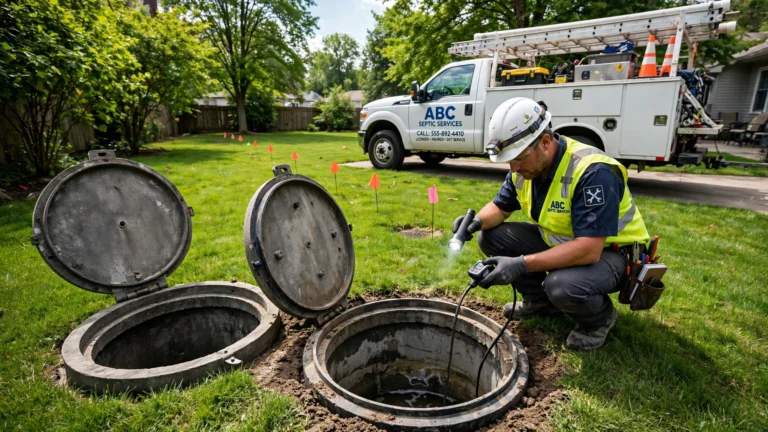
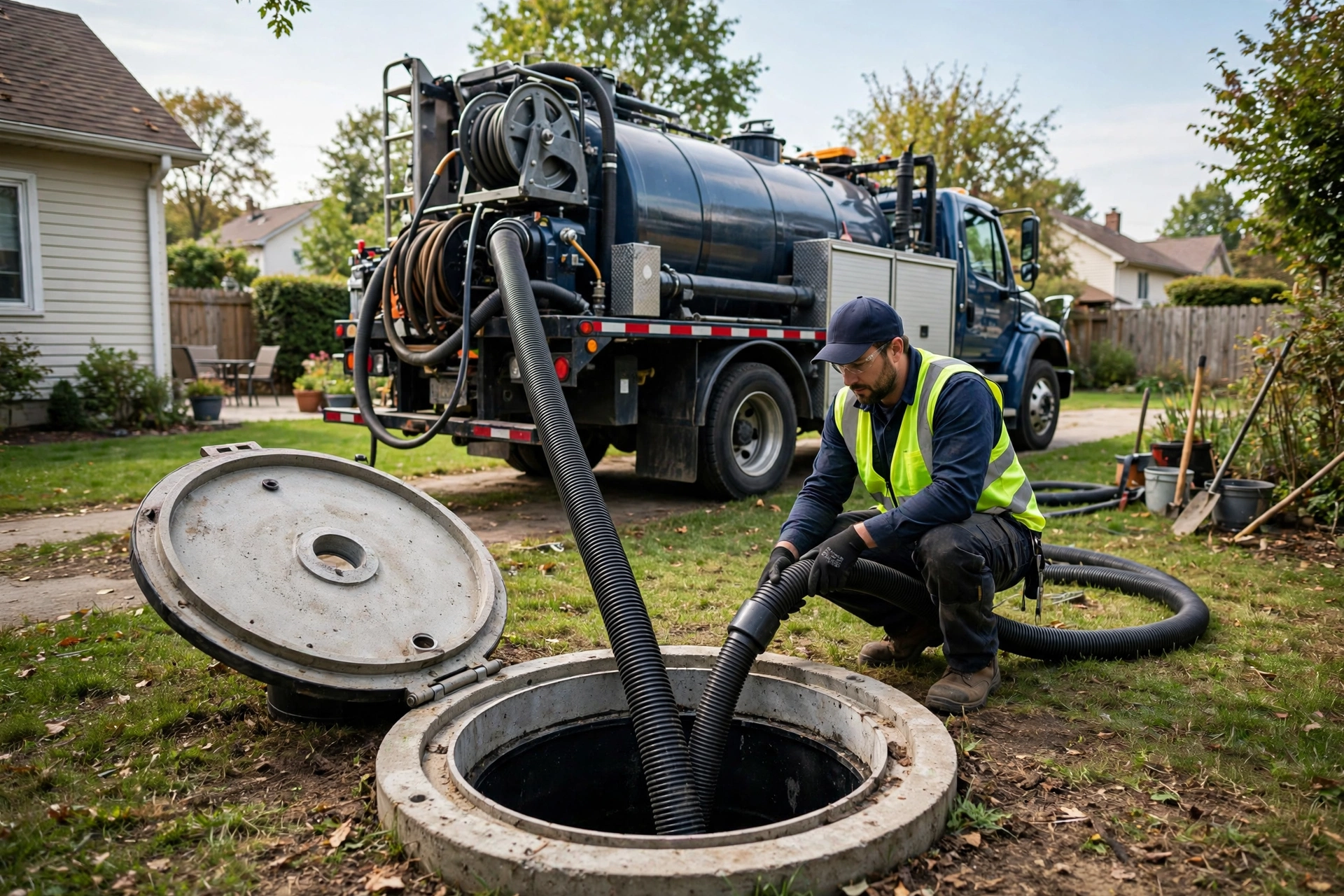
Most households should pump every 3 to 5 years. Homes with a garbage disposal, more occupants, or a smaller tank should lean toward the 3-year mark. A typical service visit takes 30 to 60 minutes and follows this process:
- The technician locates the tank and uncovers the access lid.
- Sludge depth is measured to confirm pumping is needed.
- A vacuum hose removes all liquid, sludge, and scum.
- The tank is backflushed with water to loosen remaining solids.
- Baffles, filters, and the general condition are inspected before the lid is closed.
Plan on budgeting $300 to $600 per year for septic maintenance, which covers pumping on schedule plus periodic inspections.
DIY vs Hiring a Septic Pro
Septic pumping is strictly pro-only work. It requires a vacuum truck, a licensed septage hauler, and legal access to a disposal facility. Homeowners cannot rent this equipment, and opening a tank exposes you to lethal gases like hydrogen sulfide and methane. There is no safe DIY version of this job, so always hire a licensed contractor.
How to Save Money on Septic Pumping
- Schedule during normal hours. Avoid emergency and weekend multipliers by booking a weekday appointment in advance.
- Bundle services. A combined pump and inspection ($300-$650) costs less than booking each separately.
- Install risers. At $300 to $650 installed, risers pay for themselves by eliminating digging fees at every future visit.
- Know your lid location. Mark it so the crew does not bill you for search time.
- Do not skip cycles. A $426 pump every few years beats a $3,000 to $15,000 drain field replacement.
- Get three quotes. Prices vary widely between haulers in the same county.
Frequently Asked Questions
How much does it cost to pump a 1,000-gallon septic tank?
A 1,000-gallon tank costs $275 to $700 to pump in 2026, with most homeowners paying $300 to $500 for a routine scheduled service.
What happens if I never pump my septic tank?
Solids eventually flow into the drain field, clogging the soil and causing backups or total system failure. Replacing a failed drain field costs $3,000 to $15,000, many times the price of routine pumping.
Can I pump my own septic tank?
No. Pumping requires a vacuum truck, a hauling license, and access to an approved disposal site. It is also dangerous because of toxic gases. Hire a licensed pro.
Does pumping fix a failing drain field?
Not by itself. Pumping removes waste from the tank but cannot unclog saturated soil. A failing drain field needs professional repair or replacement.
If your system has problems beyond routine pumping, such as root intrusion or a collapsed pipe, read our guide to sewer line replacement cost for 2026 pricing on the bigger fix.