Roof Inspection Cost 2026
Roof inspection costs $100 to $400 in 2026, with a national average around $220 to $250 per inspection. Basic walk on inspections start at $75, drone inspections run $150 to $400, and infrared thermal inspections run $400 to $750. Many roofing contractors offer free inspections, though a paid independent inspection buys an unbiased report. Figures below reflect 2026 national contractor pricing; your local quote may vary, so get 3 local quotes before committing.
Fall is roof inspection season. A roof that survived summer storms may be hiding lifted shingles, cracked flashing, or granule loss that only shows up when winter weather finds the weak spots. An inspection is the cheapest way to learn exactly where your roof stands: a $220 visit today can be the difference between a $400 repair now and a $8,000 replacement surprise later. Here is what inspections cost in 2026 and which type you actually need.
How much does a roof inspection cost in 2026?
Most homeowners pay $100 to $400 for a standard residential inspection. The full realistic range runs from $75 for a basic walk on check to $1,150 for a large, complex roof inspected with combined methods.
| Inspection type | Typical cost (2026 estimate) | Time on site |
|---|---|---|
| Basic walk-on inspection | $75 to $200 | 45 to 90 minutes |
| Detailed inspection with written report | $150 to $350 | 1 to 2 hours |
| Drone inspection (visual) | $150 to $400 | 30 to 60 minutes |
| Infrared or thermal inspection | $400 to $750 | 2 to 3 hours |
| Roof certification add-on (real estate) | $75 to $200 extra | Included in visit |
| Attic inspection add-on | $200 to $500 extra | 30 to 60 minutes |
| Satellite or aerial remote estimate | $0 to $100 | Instant |
Roof inspection costs by inspection type
Basic physical inspection: $75 to $200
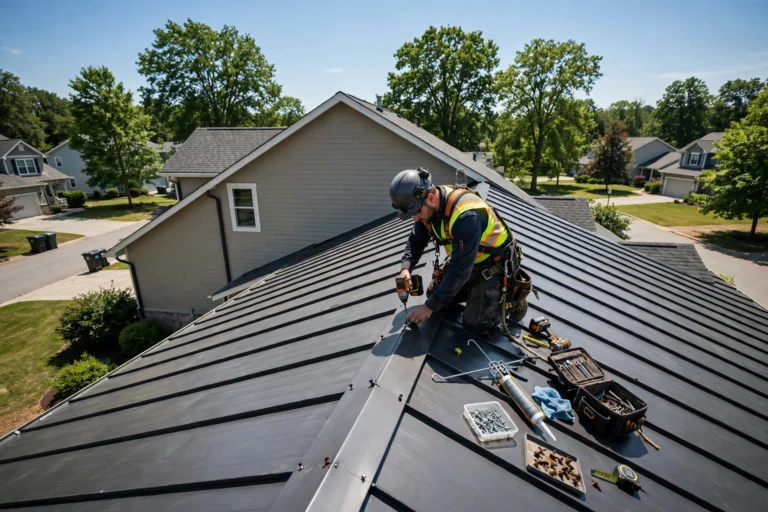
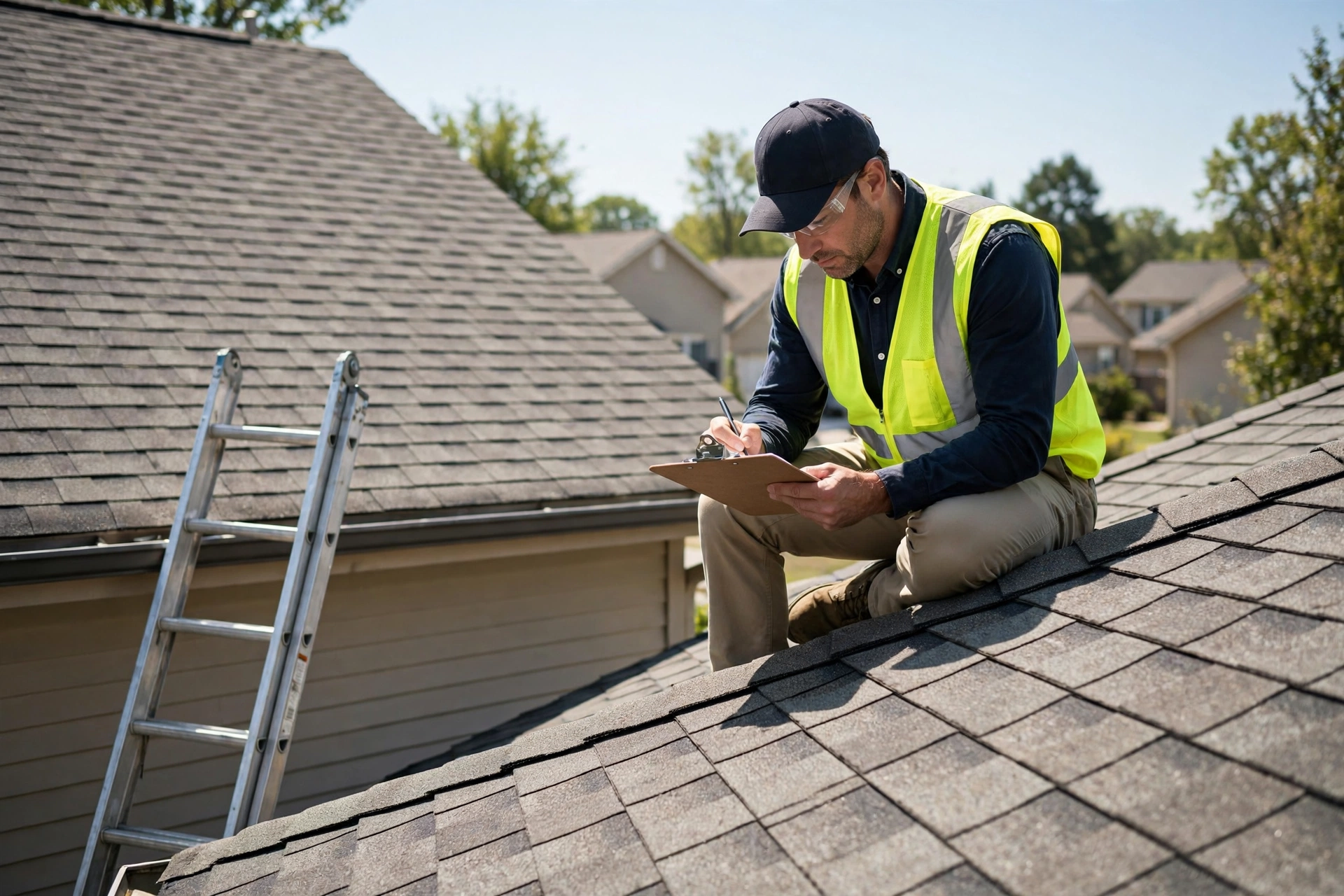
The inspector climbs onto the roof and checks shingles, flashing, vents, and gutters by eye, 45 to 90 minutes. Best for routine maintenance on a straightforward single story ranch.
Detailed inspection with report: $150 to $350
The standard paid option for pre-listing a home or documenting post storm damage. You get dated photos of every issue, a written description of each finding with its location, repair recommendations prioritized by urgency, and an estimate of remaining roof life. For insurance claims or real estate deals, this report carries real weight.
Drone inspection: $150 to $400
A drone photographs the roof from above in 30 to 60 minutes. Best for steep, fragile, or hard to access roofs where walking would damage slate, tile, or wood shake. Insurers accept drone documentation for claims. The limitation: drones cannot touch or lift shingles, so for leak diagnosis a physical inspection is still better. Drone pricing scales with roof size: roughly $150 to $250 for 1,000 to 1,500 square foot homes, up to $400 to $600 for 2,500 to 3,000.
Infrared or thermal inspection: $400 to $750
A thermal camera finds hidden moisture and insulation gaps invisible to the eye. At $400 to $600 for a normal size roof and $600 to $750 for large or complex ones, it is the premium option, worth it when you suspect leaks that visual checks keep missing.
Roof certification: $75 to $200 add-on
A signed document stating the roof is sound, usually requiring 2 to 5 years of remaining life. Commonly required by lenders and insurers during home sales, and valid for 3 to 5 years. One thing to know: a certification is a condition snapshot, not a warranty.
Free vs paid roof inspections
Many roofing contractors offer free inspections, especially after storms or when quoting repair work. The catch is that the inspector is also the salesperson. That is perfectly fine when you already expect repair work: the visit is really a quote visit, and many roofers credit the fee toward repairs if you hire them.
Pay $150 to $350 for an independent inspection when you need unbiased documentation: insurance claims, real estate transactions, or warranty claims. No repair upsell is attached to the findings, and the report reads as neutral evidence.
When do you need a roof inspection?
- Routine maintenance: once a year for roofs under 10 years old, twice a year in spring and fall for older roofs or harsh weather regions.
- After storms: inspect before filing an insurance claim so damage is documented.
- Buying a home: often required by the lender or insurer, and it protects you from inheriting a failing roof.
- Selling a home: a $150 to $350 pre-listing inspection prevents buyer renegotiation later.
- Insurance renewals: some carriers require documented proof of roof condition, especially on roofs over 15 years old.
- Warranty claims: manufacturers often require proof of regular inspections to honor material warranties.
- Warning signs anytime: water stains on ceilings, missing shingles, granules in gutters, or daylight visible in the attic.
What does a roof inspector check?
A thorough inspection covers the exterior, drainage, and attic:
Exterior: missing, cracked, or curling shingles; granule loss; loose, corroded, or rusted flashing; roof valleys; sagging rooflines; moss, algae, or debris buildup; chimney, vent, and skylight seals; fascia and soffit condition.
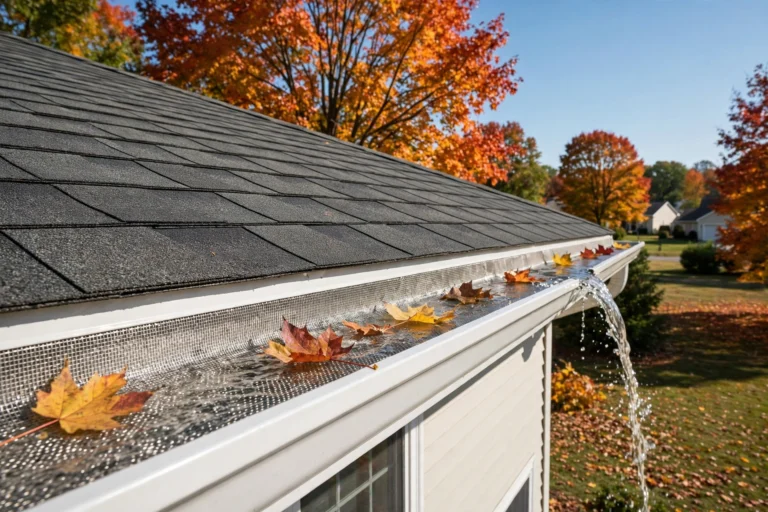
Drainage: clogged or damaged gutters, downspout alignment, ponding water on flat roofs.
Interior and attic: water stains on ceilings or walls, mold or mildew, damp or compressed insulation, daylight shining through roof boards, ventilation adequacy.
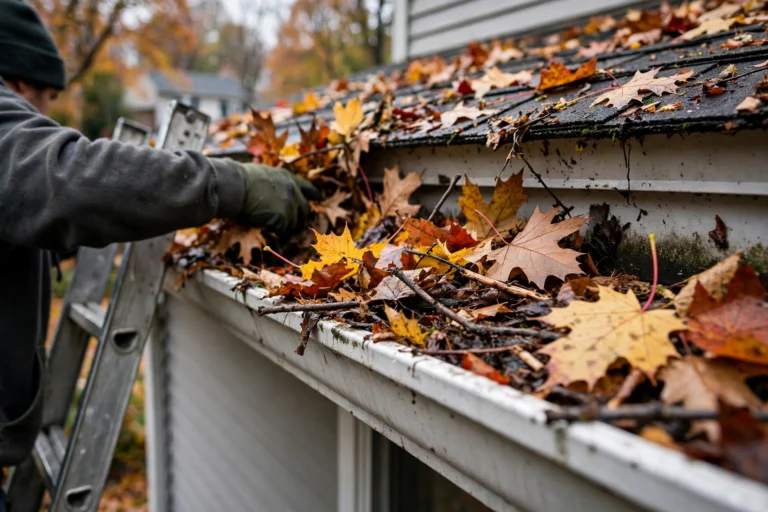
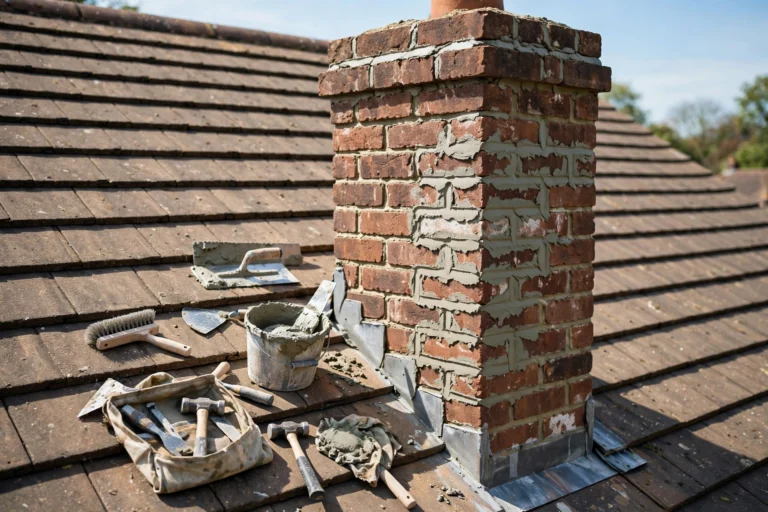
If the inspection turns up problems, see roof repair costs and gutter cleaning costs. For chimney related findings, see chimney repair costs.
What affects roof inspection cost?
- Roof size and complexity. Complex roofs with valleys and dormers cost 20 to 40 percent more than simple gables.
- Stories and pitch. Two story homes and steep roofs over 6:12 cost more for safety setup and time.
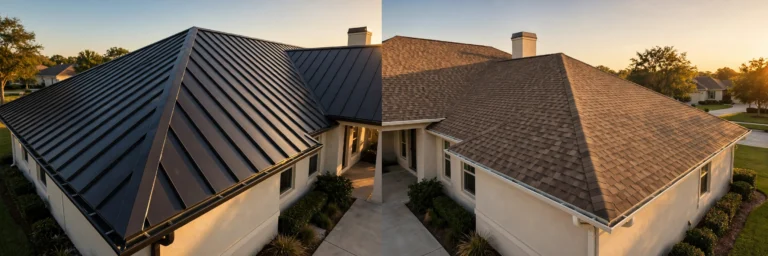
- Material. Slate, tile, and wood shake cost more to inspect than asphalt shingles because they need slower, more careful footwork.
- Region. Urban coastal markets run above average; rural areas may add travel fees.
- Emergency scheduling. Same day service adds $50 to $150 to standard rates.
Can you inspect your own roof?
A ground level walkaround with binoculars twice a year plus an attic check for stains, daylight, and damp insulation catches obvious problems at zero cost. Safe and worth doing.
Hire a pro when you need documentation for insurance, a real estate transaction, or a warranty claim; when the roof is steep, high, or fragile; when you suspect hidden moisture that only thermal imaging finds; or when it has been more than a year since the last professional look. Falls are the leading risk of DIY roof work, and a pro sees in one visit what a homeowner misses in five.
How to save money on roof inspections
- Take the free contractor inspection when you already expect repair work. Pay for an independent inspection when you need unbiased documentation.
- Ask whether the inspection fee is credited toward repairs if you hire that contractor. Many roofers apply it.
- Get 3 quotes. Identical inspections vary widely, and drone operators in particular price the same flight very differently.
- Schedule in the off season, late fall or winter in most states, when inspectors discount to fill calendars.
- Bundle it with gutter cleaning or a chimney sweep visit. One trip, shared travel cost.
- Start with a free satellite or aerial estimate, $0 to $100, to decide whether a full paid inspection is even warranted.
- Do not pay twice. If your general home inspector already walked the roof during a purchase inspection, ask for the roof section of that report before ordering a separate roofing inspection.
Frequently asked questions
How much does a roof inspection cost in 2026?
The national average is about $220 to $250. Most homeowners pay $100 to $400 for a standard inspection, with basic walk-on inspections starting at $75 and thermal or complex roof inspections reaching $600 to $1,150.
Is a free roof inspection really free?
Yes, but it comes from a contractor hoping to win repair work. Fine when you expect repairs. For insurance or real estate paperwork, pay $150 to $350 for an independent inspection with no upsell motive.
How often should I get my roof inspected?
Once a year for roofs under 10 years old, twice a year in spring and fall for older roofs, and after every major storm or hail event.
What is a roof certification and do I need one?
A signed document stating the roof is in sound condition with an estimated remaining life, usually 2 to 5 years minimum to qualify. It costs $75 to $200 as an add-on and is commonly required by lenders and insurers during home sales. It is not a warranty.
Can a drone inspection replace a physical one?
For steep, fragile, or very high roofs, often yes, and insurers accept drone documentation for claims. But drones cannot touch or lift shingles, so for leak diagnosis a physical inspection is still better.
How long does a roof inspection take?
Basic inspections take 45 to 90 minutes, detailed inspections with reports take 1 to 2 hours, and thermal inspections take 2 to 3 hours.