Drain Cleaning Cost 2026
A clogged drain rarely picks a convenient moment, and the first question is always the same: what will this cost? In 2026, the average drain cleaning cost is about $246 for a standard professional visit, and most homeowners pay between $147 and $352. A simple sink or tub clog usually lands between $150 and $300, while main line work and after-hours calls push the bill higher. The drain cleaning cost you are quoted depends mostly on where the clog sits, how the plumber clears it, and how fast you need it done.
For a rough or recurring blockage, snaking sometimes only punches a hole through the clog instead of clearing the pipe wall to wall. Our guide to hydro jetting cost explains when a high-pressure water jet is the better tool and what it runs compared with a standard cleaning.
Where the clog lives matters more than anything else. A hair clog in a bathroom sink is a quick, cheap fix. A root mass 60 feet out in the main sewer line is a different job, with heavier equipment, and the drain cleaning cost reflects that. This guide breaks down prices by drain type, method, and situation, so you can spot an inflated quote before you agree to the work.
And if a camera shows roots, a collapsed section, or a sagging line, cleaning alone will not hold. Our sewer line replacement cost guide covers what the permanent repair runs, so you can compare a repeat cleaning habit against fixing the line once.
One note before the numbers: if two or more drains in your home are backing up at the same time, skip ahead to the main line section. That pattern almost always means the blockage is in the main sewer line, not in a single fixture, and it changes both the price and the fix.
How Much Does Drain Cleaning Cost?
So how much does drain cleaning cost for one clogged fixture? For a single kitchen sink, tub, or toilet, most plumbers charge a flat rate based on the drain and the method, not an hourly fee. The table below shows typical 2026 prices per drain, assuming normal access and business hours.
| Drain | Typical cost | Common cause |
|---|---|---|
| Kitchen sink | $110 to $215 | Grease and food buildup |
| Bathroom sink | $100 to $150 | Hair, soap, and toothpaste |
| Bathtub or shower | $100 to $250 | Hair and soap scum |
| Toilet (auger) | $110 to $275 | Paper and foreign objects |
| Floor drain | $150 to $300 | Sediment and debris |
| Laundry drain | $150 to $250 | Lint and detergent residue |
Two things surprise people here. First, many companies charge a minimum service call fee of $50 to $200, although most credit it toward the work if you hire them. Second, these ranges assume the plumber can reach the clog easily. A toilet that has to be pulled and reset, or a drain with no cleanout access, moves you toward the top of the range. Even so, a single-fixture drain cleaning cost is about the cheapest plumbing call most homeowners will ever make.
Main Line Drain Cleaning Cost
The main line is where this stops being a small bill. Main line drain cleaning cost starts with snaking or rodding at $200 to $500, and main line jobs overall run $200 to $1,400 depending on the method and the access. Angi puts the average main sewer line clog job at about $380. If the line needs hydro jetting instead of a cable, expect $600 to $1,400 for that service alone.
Main line cleaning is almost always quoted as a flat rate based on the method and the access point, not by the foot. Per-foot pricing belongs to sewer line replacement, at $50 to $250 per linear foot, so if a company quotes your cleaning by the foot, that is a reason to ask questions.
Access changes the flat rate a lot. One Indianapolis plumber starts cable cleaning at $299 through an outside cleanout, but around $650 when the crew has to work from inside the house. Pulling a toilet to reach the line also adds labor, and if your home has no cleanout at all, installing one runs $500 to $2,000. That is why the main line drain cleaning cost can swing so widely between two houses on the same street.
Methods: Snaking, Augers, and Hydro Jetting
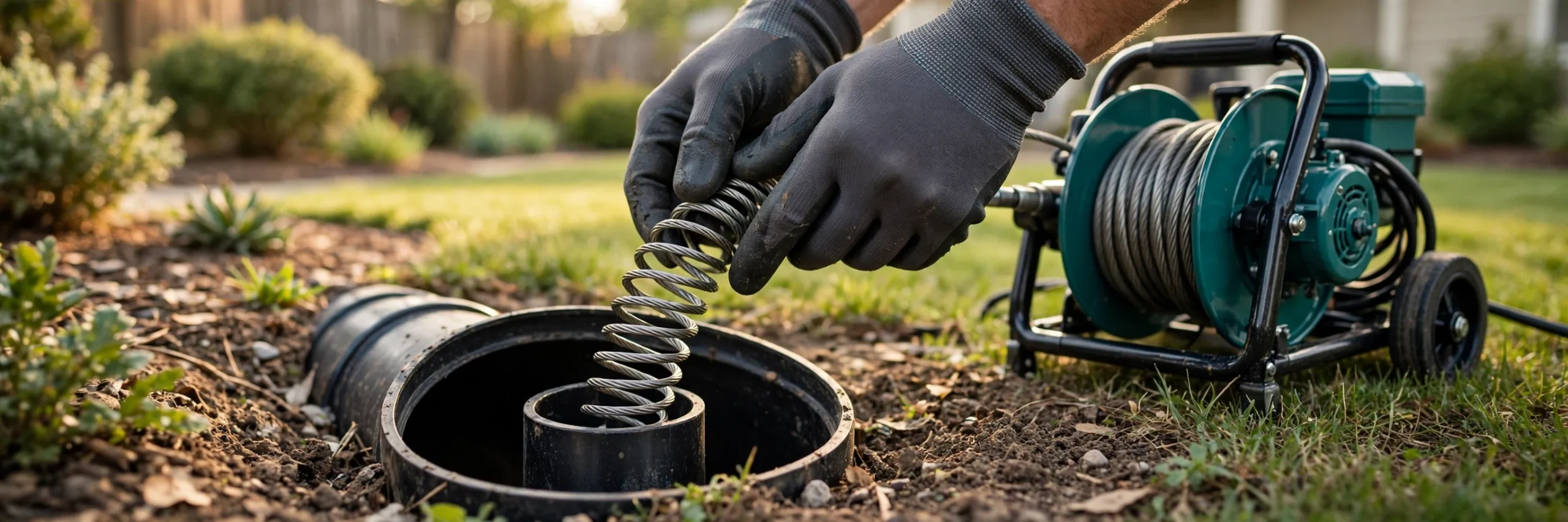
Snaking is the entry-level method. Professional snaking runs $100 to $275, with a basic hand snake job on an easy clog at $95 to $175 and machine augering with a powered cable at $250 to $375. That keeps the drain cleaning cost low for one-off clogs. A snake punches a hole through the blockage and restores flow, which is exactly what a hair or grease clog needs. The trade-off is that it leaves buildup on the pipe walls, so results on a problem drain typically last only 3 to 6 months.
Hydro jetting is the heavy option. A high-pressure water jet scours the full pipe wall, stripping away grease, scale, and even tree roots, at $350 to $600 for a typical residential job. That is roughly 2 to 5 times the drain cleaning cost of snaking the same line, but the result lasts 1 to 3 years instead of a few months. On a per-year basis, jetting a recurring clog is often the cheaper choice.
The honest rule: jetting is genuinely needed when clogs keep coming back within months, when kitchen grease has narrowed the pipe, when roots are in the main line, or when old cast iron carries years of scale. It is an upsell when a plumber pitches it for a first-time clog in a single sink. One caution: on fragile or deteriorated pipe, such as old Orangeburg, jetting can do damage, so a camera inspection should come first on any line with a questionable history.
Camera Inspections: Worth It or Upsell?
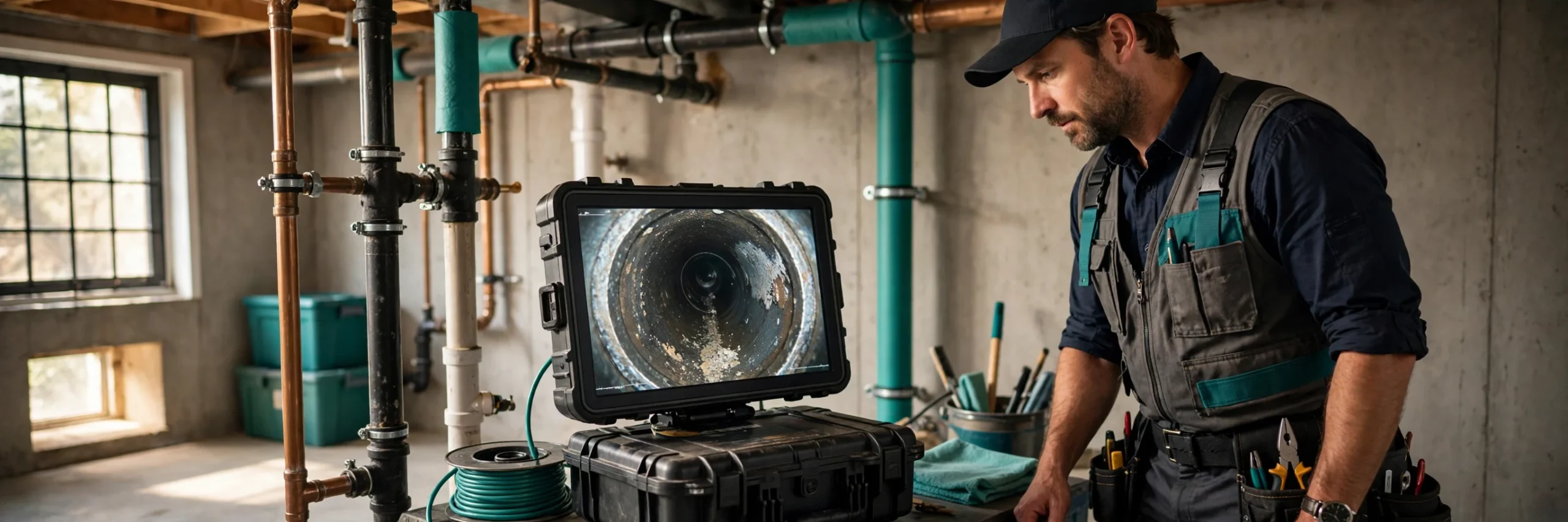
A sewer camera inspection costs $125 to $500 as a standalone service, averaging about $300 when the plumber has cleanout access. Without a cleanout, or on long and difficult lines, the price can climb to $750 or more. Many companies discount the inspection, credit it toward the repair, or include it when you book a main line cleaning, so ask whether the camera fee comes off the bill if you approve the follow-up work.
Here is when the camera earns its money. If several drains back up at once, if the lowest tub or shower in the house gurgles or fills with sewage, or if the same clog returns a few months after cleaning, guessing gets expensive. The camera is the only way to confirm roots, a sagging belly, an offset joint, or a collapse before you pay to fix the wrong thing. Skipping it to save $300 can mean paying the full drain cleaning cost two or three more times while the real problem gets worse.
What Drives the Price Up
Severity is the first lever. A trap-level hair clog takes minutes to clear. A root mass deep in the main line does not, and roots alone typically add $200 to $500 to the job. Access is the second lever, covered above. The third is timing, and it is the one that catches people off guard. Emergency and after-hours calls carry a trip fee of $100 to $350, averaging about $225, before any work begins.
On top of the trip fee, emergency labor usually runs 1.5 to 2 times the standard rate. Put together, a single drain that costs $100 to $300 during business hours can run $250 to $500 or more at night, and an emergency main line job lands at $400 to $1,200 or higher, versus $250 to $800 on a weekday. A slow drain that can wait until morning is one of the easiest savings in this category, because the drain cleaning cost for the identical job can double after hours.
Where you live matters as well. Plumbers charge $45 to $150 per hour at standard rates, and metro markets sit at the top of that band, so the same clog costs more in a major city than in a small town. Together these factors explain why a drain cleaning cost quote from one company can be double another company’s number for the same clog.
When Cleaning Cannot Fix It
Cleaning restores flow. It does not repair a damaged pipe, and some clogs keep coming back because the pipe itself is the problem. Tree roots are the classic case: mechanical root cutting runs $300 to $600, but roots regrow through the same joints within 12 to 24 months unless the entry point is sealed. A spot repair of the damaged section runs $1,500 to $4,000, and lining the line to seal it costs $4,000 to $10,000.
A collapsed section is worse, and this is where the clogged drain repair cost jumps. Digging out and replacing a collapsed section typically runs $3,000 to $8,000 or more, while general sewer repairs average $1,000 to $4,000. A bellied line, where a sagging section holds water and solids, re-clogs no matter how well it is cleaned. The fix is re-grading or replacing that section, often by pipe bursting at $60 to $250 per linear foot, and full line replacement runs $50 to $250 per linear foot.
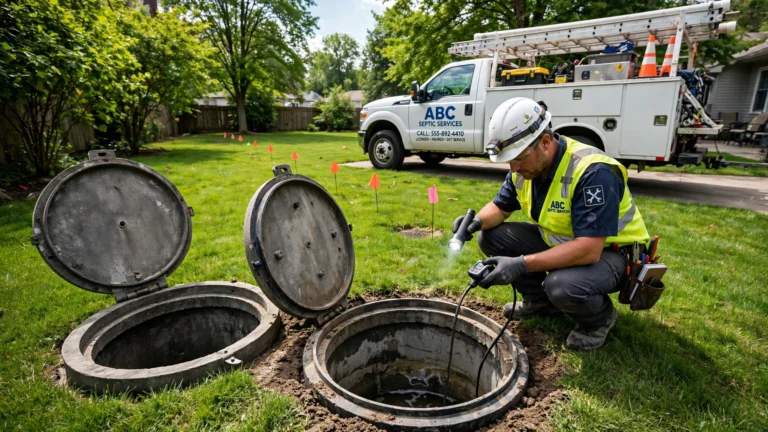
Homes on septic systems have one extra suspect. Recurring backups can mean the tank is full or the drain field is struggling rather than a clog at all, and the EPA septic system guidance recommends pumping the tank every 3 to 5 years, at about $175 to $600, to keep solids out of the lines. Harsh chemical habits are harder on septic systems too, since they kill the bacteria the tank depends on.
Keep the two budgets separate in your head: the cleaning price, and the clogged drain repair cost if the camera finds damage. A useful rule of thumb is that if you are paying for main line cleaning more than once a year, the repeat drain cleaning cost has stopped making sense. Put that money toward a camera inspection and a permanent fix instead.
What goes down the drain decides how often you repeat all of this. Cooking grease, wipes that do not actually break down, and food scraps are behind a large share of repeat calls. The EPA WaterSense program makes the point from the water-efficiency side: drains are plumbing, not trash cans, and the fixtures above them work better when the lines below stay clear.
Keeping Drains Clear (and Chemical Cleaner Warnings)
The cheapest maintenance tool is a $5 to $15 strainer or hair catcher on every drain. The second is an enzyme cleaner, at $10 to $30 a bottle, used monthly on slow drains. Enzyme and bacterial products digest organic buildup slowly, overnight or over a few days of repeat use, without heat or corrosion. They are safe for all pipe materials and septic systems, and used faithfully they keep your long-term drain cleaning cost down to the occasional bottle. Be realistic, though: they maintain a flowing drain, and they will not open a fully blocked one. Altogether, a strainer, enzyme, and hot-water flushing routine runs about $100 to $200 a year.
Chemical drain cleaners are the opposite bargain. The bottle costs just $8 to $20, but caustic and acid formulas generate heat inside the pipe, and that heat can corrode metal, soften PVC, and weaken joints.
They also perform badly on a complete blockage, because the chemical sits in standing water against the pipe wall instead of reaching the clog. Worst of all, that caustic liquid is still in the line when the plumber cables it, which makes it a splash and burn hazard for the person you called to help. Many plumbers will tell you the same thing: the $15 bottle can quietly raise your eventual drain cleaning cost by damaging the pipe it was meant to save.
For homes with older pipes or mature trees over the sewer line, preventive professional cleaning is worth scheduling. Hydro jetting every 18 to 24 months keeps grease and roots from building into an emergency, and it is far cheaper than the after-hours version of the same job.
Frequently Asked Questions
How much does drain cleaning cost for a single drain?
For a single fixture, most homeowners pay $150 to $300, and the average drain cleaning cost across all standard jobs is about $246, with a typical range of $147 to $352. Kitchen sinks run $110 to $215, and a toilet cleared with an auger runs $110 to $275. Main line work starts higher, at about $380 for an average job.
Is hydro jetting worth the extra money?
Sometimes. Jetting costs $350 to $600 against $100 to $275 for snaking, and on a main line it can reach $600 to $1,400. If the clog is a one-off, snaking keeps the drain cleaning cost down and solves the problem. If the same line clogs again within months, or grease and roots are involved, jetting scours the pipe wall clean and lasts 1 to 3 years, which makes it cheaper over time.
Why are several drains backing up at the same time?
That pattern points to the main sewer line, not the individual fixtures. When the lowest drains in the house back up together, the blockage sits downstream of all of them. Expect main line pricing, usually $200 to $1,400 depending on method and access, plus a likely camera inspection. Treating it as separate fixture clogs just multiplies the drain cleaning cost without touching the real blockage.
How much is the clogged drain repair cost when cleaning is not enough?
It depends on the damage. Mechanical root cutting runs $300 to $600, a spot repair of a damaged section runs $1,500 to $4,000, lining a line runs $4,000 to $10,000, and replacing a collapsed section can reach $3,000 to $8,000 or more. Those numbers dwarf any drain cleaning cost, which is exactly why a $125 to $500 camera inspection is worth it before you approve repair work.
Are chemical drain cleaners safe to use?
They are risky for your pipes. Caustic and acid formulas generate heat that can corrode metal, soften PVC, and weaken joints, and they barely work on a complete blockage anyway. An enzyme cleaner at $10 to $30 is slower but safe for pipes and septic systems. A pipe damaged by repeated chemical use costs far more to fix than the drain cleaning cost you were trying to avoid.
How often should I have my drains cleaned professionally?
For most homes, fixture clogs are an as-needed call, not a schedule. Homes with older pipes or big trees over the sewer line do well with preventive hydro jetting every 18 to 24 months, since it stops grease and roots from building into an emergency. If you are calling for the main line more than once a year, stop scheduling cleanings and schedule a camera inspection and a repair instead.