Ceiling Fan Installation Cost 2026: What Electricians Charge
Ceiling fan installation costs $146 to $360 in 2026, with most homeowners paying an average of $253 for a professional electrician to install the fan. This estimate covers standard labor for a straightforward swap where wiring and a fan-rated box already exist. If your electrician needs to run new wiring, add bracing, or install a fan on a vaulted ceiling, expect to pay more. The fan itself typically runs $50 to $1,000 or more depending on size, style, and smart features, and that price is on top of the installation labor.
How Much Does Ceiling Fan Installation Cost in 2026?
The national average ceiling fan installation cost in 2026 is $253, with a typical range of $146 to $360 for labor alone. A simple replacement where the electrician swaps an old fan for a new one on an existing fan-rated box falls at the low end. Running new circuits, reinforcing the box, or tackling a high vaulted ceiling pushes the total toward $500 to $1,000 or more before the cost of the fan itself.
| Project type | Average labor cost |
|---|---|
| Simple fan swap (existing wiring and box) | $100 to $300 |
| Install with new wiring | $300 to $1,000+ |
| Add fan-rated box with bracing | $75 to $250 |
| Vaulted or high ceiling add-on | $50 to $100 extra |
| New wall switch installation | $100 to $200 |
| Remote control kit | $15 to $30 |
Ceiling Fan Installation Cost by Scenario
Your final bill depends almost entirely on what already exists in the ceiling. Here are the most common scenarios electricians quote in 2026:
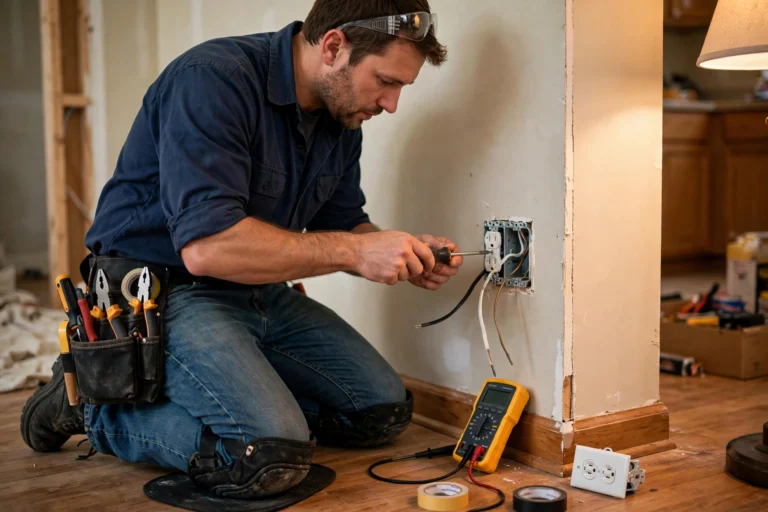
- Replacing an existing fan: $100 to $300. The wiring, box, and switch are already in place, so the electrician simply disconnects the old fan and mounts the new one. Most jobs take under two hours.
- New fan where a light fixture exists: $150 to $400. The electrician must verify or replace the box with a fan-rated model, since standard light boxes cannot support the weight and motion of a fan.
- Completely new location, no wiring: $300 to $1,000 or more. Running a new circuit from the panel through walls and ceilings takes the most time, especially on finished first floors or two-story spaces.
- Vaulted or cathedral ceiling: Add $50 to $100 to any scenario. The height requires taller ladders or scaffolding and a downrod extension, which slows the work and adds material cost.
Ceiling Fan Cost Breakdown: Parts and Labor
Labor is the biggest line item. Electricians charge $50 to $130 per hour in 2026, and most ceiling fan installs take one to three hours depending on complexity. Materials add the following costs:
- Budget fan: $50 to $100. Basic pull-chain models that move air reliably without extra features.
- Mid-range fan: $150 to $300. Better motors, nicer finishes, and remote controls.
- Smart fan: $200 to $800. Wi-Fi or app control with voice assistant integration.
- High-end or designer fan: $400 to $1,000+. Large blade spans, premium finishes, and damp-rated outdoor models.
- Fan-rated box with bracing: $75 to $250 installed. Required by code for any ceiling fan.
- Wall switch or speed control: $100 to $200 installed.
- Remote kit: $15 to $30 if your fan does not include one.
What Affects the Cost: Key Factors
Several details can move your quote up or down. Knowing them helps you read an estimate and ask the right questions.
- Existing box type: Building code requires a fan-rated box that can support 35 to 70 pounds. If yours is a standard light box, the electrician must open the ceiling, install bracing between joists, and mount a rated box.
- Wiring condition: Older homes with cloth-wrapped or undersized wiring may need a circuit upgrade, which adds cost and time.
- Ceiling height: Standard 8-foot ceilings are fastest. Vaulted ceilings need downrods and taller ladders, adding $50 to $100.
- Number of fans: Installing two or three fans in one visit usually lowers the per-fan price, since the electrician is already on site.
- Permit fees: Some municipalities require a permit for new circuits, typically $50 to $150.
- Location: Labor rates run higher in major metro areas and the Northeast and West Coast than in smaller markets.
How Long Does Ceiling Fan Installation Take?
A straightforward fan swap takes one to two hours. Replacing a light fixture with a fan and upgrading the box takes two to three hours. A brand-new installation with new wiring from the panel can take four to eight hours or require a full day, depending on how easily the electrician can fish wire through walls and attic space.
Most electricians can schedule residential ceiling fan work within a few days. If you need a permit for a new circuit, add a few days for approval and inspection.
DIY vs Hiring an Electrician
Replacing an existing ceiling fan is one of the most approachable electrical DIY projects. If the fan-rated box and wiring are already in place, a careful homeowner can follow the manufacturer instructions and finish in an afternoon, saving $100 to $300 in labor.
Call a licensed electrician when the job involves any of the following: running new circuits, upgrading the electrical box, working in an attic or on a high vaulted ceiling, or any wiring that looks damaged or unfamiliar. Electrical work done wrong creates fire and shock hazards, and most local codes require a licensed pro for new circuits. The $50 to $130 per hour is money well spent for safety and a clean, code-compliant result.
How to Save Money on Ceiling Fan Installation
- Bundle multiple fans: Have the electrician install every fan in the house in one visit to reduce the per-unit labor cost.
- Choose a standard size: Common 52-inch fans are the easiest to mount and the cheapest to buy.
- Keep the existing location: Using a spot that already has wiring and a fan-rated box avoids the most expensive part of the job.
- Buy the fan yourself: Shop sales for the fan and let the electrician handle labor only, so you are not paying a markup.
- Get two or three quotes: Prices vary widely between electricians, so compare written estimates for the same scope of work.
- Schedule during slower months: Late fall and winter can bring more flexible scheduling and occasional discounts.
Frequently Asked Questions
Does a ceiling fan need a special electrical box?
Yes. Building code requires a fan-rated box designed to support a moving load of 35 to 70 pounds. Standard light fixture boxes are not strong enough and can fail under the vibration and weight of a fan.
Can I install a ceiling fan where a light fixture is now?
Usually yes, but the box must be upgraded to a fan-rated model with bracing between the joists. Expect to pay $75 to $250 for the box upgrade plus the fan installation labor.
Do ceiling fans really lower energy bills?
A ceiling fan lets you raise the thermostat a few degrees in summer while feeling just as cool, which can trim cooling costs. In winter, running the fan in reverse on low pushes warm air down from the ceiling.
What size ceiling fan do I need?
Match the blade span to the room: up to 75 square feet uses a 29 to 36 inch fan, 76 to 144 square feet suits a 36 to 42 inch fan, and rooms up to 225 square feet work best with a 50 to 54 inch fan. Larger rooms may need two fans.
Should the fan be on its own circuit?
Not necessarily. Most ceiling fans draw very little power and can share a lighting circuit. Your electrician will confirm the circuit has enough capacity during the estimate.
Planning a bigger electrical project? See what an electrical panel upgrade costs in 2026, or check EV charger installation pricing if you are adding a home charger at the same time.