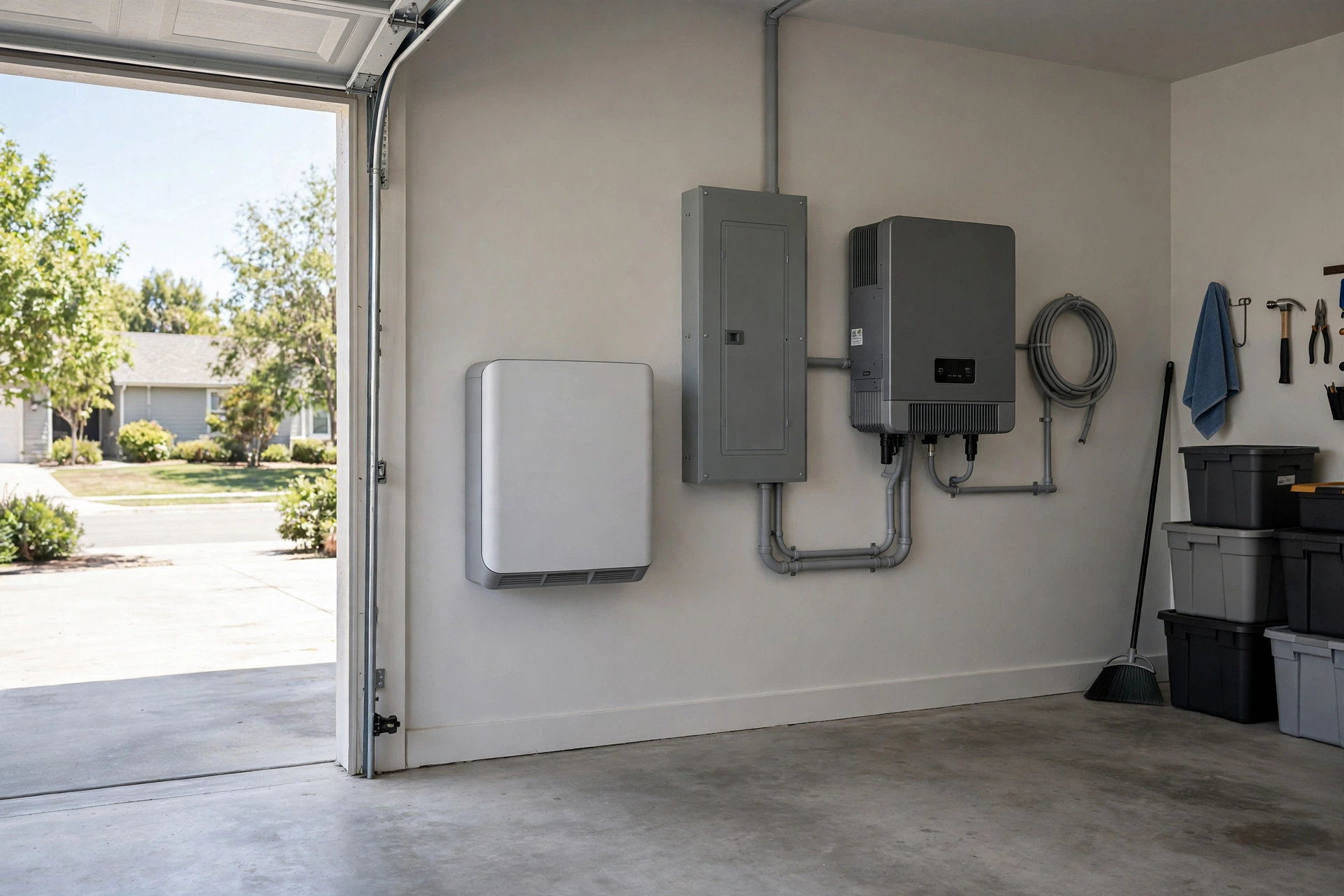
Solar Battery Storage Cost 2026
The average solar battery storage cost in 2026 is about $15,647 installed before incentives, for a typical 13.5 kWh home battery system. Most homeowners pay between $6,000 and $18,000 depending on battery size, brand, and how much electrical work the job requires. All figures below reflect 2026 US contractor-market pricing and are estimates; your local quote may vary, so get 3 local quotes from licensed solar installers before committing.
A home battery changes what your solar panels can actually do for you. Without storage, your panels send extra daytime power back to the grid and you buy electricity back at night. With storage, you keep that daytime energy for the evening, ride through outages with the lights on, and dodge the most expensive hours on time-of-use rate plans. The catch is that a battery can nearly double a solar project’s price, so it pays to know exactly where the money goes.
How Much Does Solar Battery Storage Cost in 2026?
Size is the biggest driver of price. This table shows how solar battery storage cost scales with system size, using installed prices reported by US installers in the first half of 2026.
| Battery size | Typical installed cost | What it covers |
|---|---|---|
| 5 kWh | $2,500 to $6,500 | Essential circuits: fridge, lights, router, charging |
| 10 kWh | $5,000 to $12,000 | Essentials through a typical evening outage |
| 13.5 kWh | $13,500 to $18,500 | The standard home battery; about 12 hours of essentials backup |
| 20 kWh | $16,000 to $24,000 | Heavier loads and partial whole-home coverage |
| 27 kWh (two units) | $24,000 to $30,000 | Whole-home backup for an average house |
| 40 kWh | Around $52,000 | Large homes and off-grid setups |
The biggest jump in solar battery storage cost comes when you move from one battery to two. A single 13.5 kWh unit keeps the essentials running for a typical evening, but whole-home backup with air conditioning or a well pump usually needs two or three batteries, pushing the project into the $24,000 to $40,000 range.
Solar Battery Storage Cost Per kWh
Comparing batteries on a per-kilowatt-hour basis is the fairest way to judge brands against each other, since quoted systems rarely match in size. The typical solar battery storage cost per kwh lands between $800 and $1,400 installed for mainstream brands, with most national quotes clustering around $1,300 per kwh before incentives.
The market spread is wider than the average suggests. Cheapest markets install near $780 per kwh, expensive metros push past $1,250 per kwh, and at the brand level budget equipment can dip under $500 per installed kwh while premium brands with required backup hardware exceed $3,000. When one quote looks dramatically cheaper than the rest, check whether it includes the inverter, gateway, and permitting.
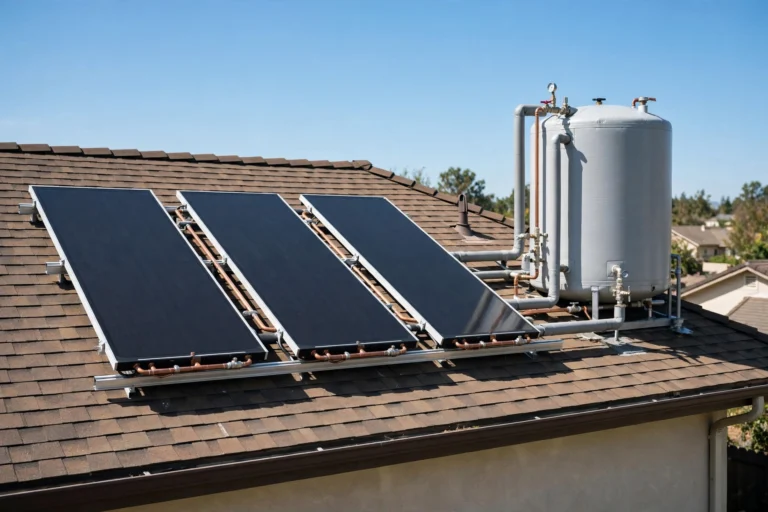
If you are still planning the panel side of the project, see our breakdown of solar panel installation costs for 2026, and compare it with our guide to solar water heater costs to see which solar upgrade saves your household more.
Solar Battery Prices by Brand in 2026
The solar battery storage cost spread by brand is wide: Tesla’s volume pricing keeps its most popular unit under $1,000 per kwh installed, while premium brands with required controller hardware can cost two or three times more per kwh.
| Brand and model | Usable capacity | Typical installed price | Standout feature |
|---|---|---|---|
| Tesla Powerwall 3 | 13.5 kWh | $13,000 to $16,000 | Best value per kwh; built-in inverter; 10-year warranty, unlimited cycles |
| Enphase IQ Battery 5P | 5 kWh per unit | About $8,500 per unit; $13,000 to $16,000 for two units (10 kWh) | 15-year warranty, 6,000 cycles; best for existing Enphase systems |
| LG RESU Prime 16H | 16 kWh | Low to mid teens installed (equipment $9,000 to $12,000) | High capacity, compact cabinet; 10-year warranty |
| FranklinWH aPower 2 | 13.6 kWh usable | Around $17,500; $16,000 to $21,000 with the mandatory aGate controller | Built-in whole-home energy management; 12-year warranty, unlimited cycles |
| Generac PWRcell XR | 18 kWh | $18,000 to $23,000 | Highest capacity of the mainstream options; DC-coupled efficiency |
Two notes on reading these numbers. First, equipment-only prices are incomplete: the battery unit is only part of the job. Second, some older comparison pages still show after-tax-credit math from when a 30 percent credit existed. In 2026 there is no homeowner federal credit to subtract, so confirm you are looking at gross installed prices.
What Your Money Goes Toward
Your home solar battery storage cost does not go entirely to the battery. A typical system splits across several line items, which explains why two quotes for the same battery can differ by thousands of dollars.
- The battery unit itself: 35 to 45 percent. The lithium iron phosphate pack and its built-in battery management system.
- Inverter and electrical components: 15 to 25 percent. AC-coupled batteries bring their own inverter; DC-coupled setups may need a hybrid inverter at $2,000 to $4,000.
- Balance-of-system hardware: about 10 percent. Cabling, conduit, disconnects, mounts, and the critical-loads subpanel.
- Labor: under 20 percent of a standard job, roughly a two-person crew for five to seven hours.
- Permits, inspections, and upgrades: 5 to 15 percent. Permits and utility interconnection run $300 to $1,000; a panel upgrade adds $2,000 to $4,000.
When two quotes for the same battery differ by thousands, the solar battery cost gap usually comes from labor, the gateway, or a panel upgrade, not the battery itself. The panel upgrade is the most common surprise: if your panel is old or near capacity, most installers will not connect a backup battery without upgrading it first.
Adding a Battery to Existing Solar vs a New Install
Adding storage later makes the solar battery storage cost higher than bundling it with new panels, because one installer visit, one permitting process, and one electrical session get split across the whole project.
For a retrofit to existing solar, an AC-coupled battery is the standard choice at $10,000 to $18,000 for a 10 to 15 kwh system. AC-coupled batteries bring their own inverter and connect at the electrical panel, so no inverter swap is needed, which keeps solar battery storage cost roughly $4,000 to $6,000 lower than DC-coupled retrofits. DC-coupled retrofits run $14,000 to $22,000 because they typically require replacing the existing inverter with a hybrid unit.
For brand-new solar-plus-battery projects the math flips. DC coupling is cheaper and more efficient at install time because one hybrid inverter does both jobs, and DC-coupled systems reach 96 to 98 percent round-trip efficiency versus about 90 to 94 percent for AC-coupled systems. That efficiency gap means roughly 5 to 10 percent more usable energy over the battery’s lifetime, which matters where net metering pays little for exported power.

Tax Credits and Incentives in 2026
This is the section that changed the most this year, and many older articles online are now wrong. The Section 25D 30 percent Residential Clean Energy Credit, which had covered standalone home batteries of 3 kwh or more since 2023, was terminated for any property placed in service after December 31, 2025. There was no phase-down and no transition window.
What that means in practice: because the federal credit ended, the solar battery storage cost you pay in 2026 is the full sticker price for homeowner-owned systems. A $15,000 battery that would have earned a $4,500 credit in 2025 earns nothing in 2026. Pages still claiming a 30 percent credit for batteries in 2026 are stale and should be ignored.
One exception survives. The commercial Section 48E credit still applies to third-party ownership, so leases, power purchase agreements, and prepaid solar-plus-battery deals can still capture roughly 30 percent, which financiers pass through as lower monthly pricing.
State programs now carry most of the incentive weight on home battery storage cost. California’s SGIP rebate covers 15 to 25 percent of system cost, typically $1,500 to $2,500 for a 13.5 kwh battery, though PG&E territory budgets were closed and waitlisted as of September 2026. Massachusetts pays battery owners through ConnectedSolutions, New York’s NYSERDA programs offer $2,000 to $5,000, and Maryland allows a 30 percent state income tax credit up to $5,000.
What Affects the Price
Every factor below moves the final solar battery storage cost up or down.
- Capacity. The dominant driver. Bigger systems cost more but often less per kwh, since fixed costs like the gateway and permits do not double with size.
- Brand and chemistry. Lithium iron phosphate batteries are safer and longer-lived; premium brands charge for stronger warranties and smarter backup hardware.
- Whole-home vs partial backup. Essentials need one battery; air conditioning, electric heat, or a well pump need two or three units, pushing projects to $24,000 to $40,000.
- Panel upgrade. The $2,000 to $4,000 upgrade is the most common add-on and rarely appears in the headline quote.
- Backup hardware. Transfer switches, gateways, and critical-loads subpanels are required for true backup and add thousands.
- Inverter needs. AC-coupled retrofits are simpler on existing solar; new builds save with DC-coupled hybrid inverters.
- Location. Labor rates, permitting fees, interconnection rules, and incentives vary widely by state.
Is Solar Battery Storage Cost Worth It in 2026?
Batteries pay back fastest where the grid is unreliable, time-of-use rates punish evening use, or net metering pays little for exported solar.
The numbers look best in California and the Northeast. Batteries can save $50 to $150 a month through time-of-use arbitrage, and California’s NEM 3.0 pays roughly 75 percent less for exported solar. With state rebates, payback runs 5 to 8 years in California and 6 to 10 years in Massachusetts; in flat-rate states with no incentives, it can exceed 15 years.
Be honest about what you are buying. If your main goal is outage protection for the fridge, medical equipment, and home office, the backup value is real even when the financial payback is slow. But if you are buying purely as an investment, demand that the installer show the math for your home solar battery storage cost against your actual electricity bills.
Can You Install a Solar Battery Yourself?
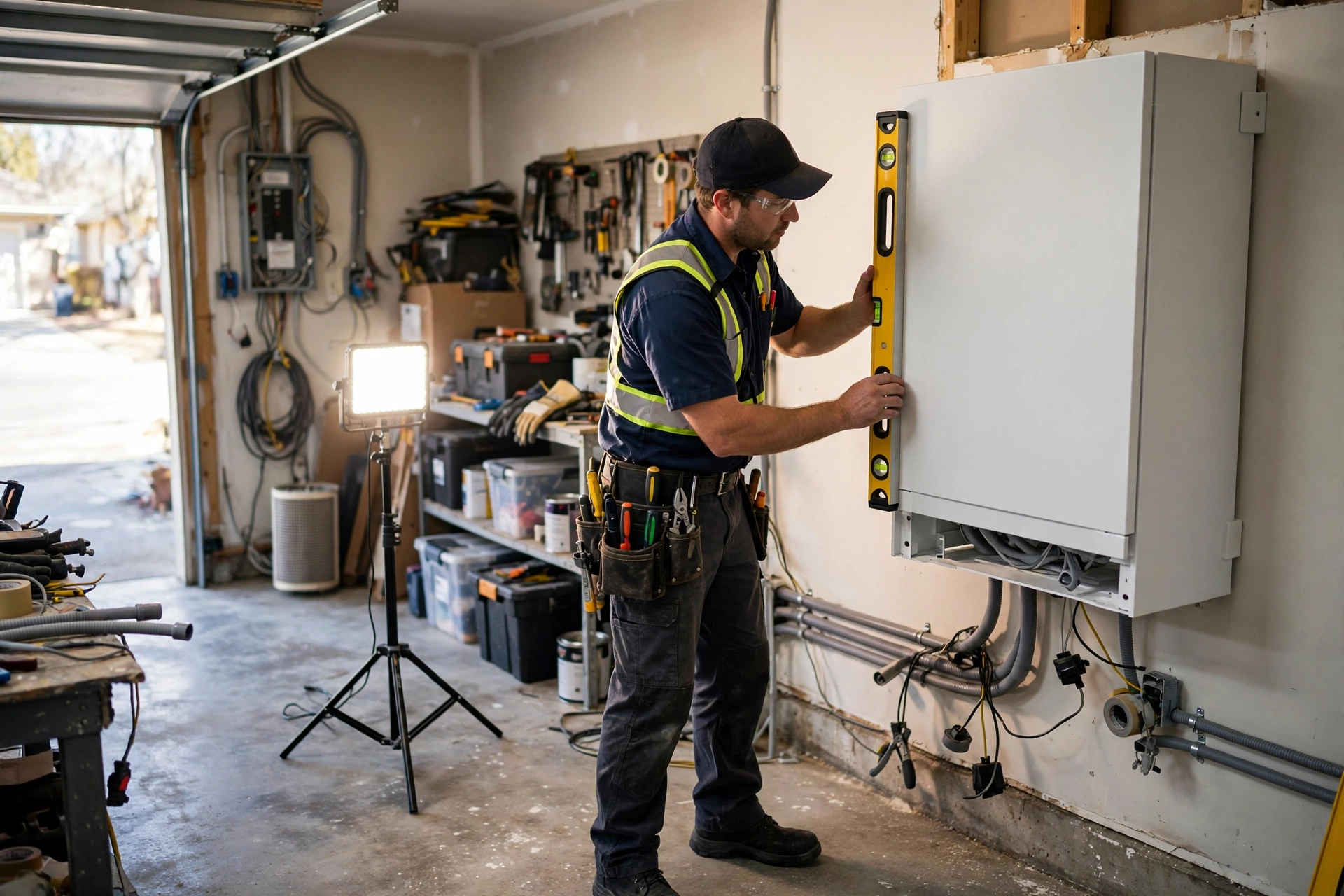
Effectively, no. Home battery systems involve high-voltage DC wiring, electrical code compliance, building permits, and utility interconnection approval, all of which require a licensed electrician in nearly every jurisdiction. A DIY install voids manufacturer warranties on most brands, and utilities will not approve a grid-connected system that was not installed and inspected by qualified professionals.
Budget retailers do sell battery-only units, including the Enphase IQ 5P for around $3,669, but the battery is only part of the system. The backup gateway, system controller, critical-loads wiring, and utility sign-off all require professional installation. Treat any solar battery cost you see online as equipment-only unless the listing explicitly says installed.
How to Save Money on a Home Battery
- Install the battery with your solar panels. The fastest way to cut your home battery storage cost is to bundle it into a new install, sharing the labor, permitting, and electrical work.
- Right-size the capacity. One 13.5 kwh battery covers essentials for a typical evening at a fraction of a two-battery system.
- Get at least three quotes. Installed pricing for the same battery varies by thousands between installers, so ask each one to itemize the quote.
- Claim every state and utility incentive. With no federal credit for homeowner-owned systems in 2026, state rebates are the main way to reduce the net price.
- Compare lease and PPA quotes. Third-party-owned systems can still capture the commercial credit, so a lease may undercut a cash purchase on monthly cost.
- Ask about the panel upgrade upfront. Get the panel assessment before you sign, so the $2,000 to $4,000 upgrade shows up in the quote you compare.
FAQs
How much does solar battery storage cost?
The solar battery storage cost most homeowners pay in 2026 falls between $6,000 and $18,000 installed, with the national average around $15,647 for a typical 13.5 kwh system.
What is the solar battery storage cost per kwh?
Roughly $800 to $1,300 per installed kwh for mainstream brands. Budget equipment can come in under $500 per kwh, while premium brands with required controller hardware exceed $3,000 per kwh.
Is there a federal tax credit for solar batteries in 2026?
No, not for homeowner-owned systems. The 30 percent residential credit ended for property placed in service after December 31, 2025. Leased systems and power purchase agreements can still capture about 30 percent through the commercial credit.
Can I add a battery to my existing solar panels?
Yes. AC-coupled batteries are the standard retrofit at $10,000 to $18,000 for 10 to 15 kwh, with no inverter swap needed. DC-coupled retrofits run $14,000 to $22,000 because they usually require a new hybrid inverter.
How long do solar batteries last?
About 10 to 15 years. Modern lithium iron phosphate batteries handle 3,000 to 6,000 full cycles, and warranties run 10 years on most brands, 12 years on FranklinWH, and 15 years on the Enphase IQ 5P.
Are solar batteries worth it in 2026?
They can be if you face frequent outages, time-of-use rates, weak net metering like California’s NEM 3.0, or strong state incentives. In flat-rate states with no incentives, payback can exceed 15 years, so get quotes from licensed installers and check the math against your own bills.