Ice Dam Removal Cost 2026
Ice dam removal costs $650 to $2,000 in 2026, with most homeowners paying about $1,200 for professional steam removal. Cheaper salt and tablet treatments run $200 to $300 for minor ice, while prevention through air sealing and insulation runs $2,000 to $6,000. Figures below reflect 2026 national contractor pricing; your local quote may vary, so get 3 local quotes before committing.
An ice dam is a ridge of ice along your roof edge that traps melting snow behind it. That trapped water has nowhere to go but under your shingles, and it finds its way into attics, walls, and ceilings with quiet persistence. Removing a dam is one bill. Fixing what it damaged is usually a much bigger one: insurance data shows average claim payouts around $8,000 per ice dam incident once water damage is involved. Here is what removal costs in 2026 and how to stop dams from forming in the first place.
How much does ice dam removal cost in 2026?
Professional removal averages about $1,200. The method matters more than anything else: steam is the safe gold standard, salt treatments are cheap but only work on minor ice, and chipping is risky for your shingles.
| Removal method | Typical cost (2026 estimate) |
|---|---|
| Steam removal (per hour) | $400 to $600 |
| Steam removal (typical job) | $800 to $2,400 |
| Chipping (manual breaking) | $800 to $1,800 |
| Hot pressure washer | $400 to $2,000 |
| Calcium chloride salt application | $200 to $300 |
| Roof melt tablets | $200 to $300 |
Steam removal
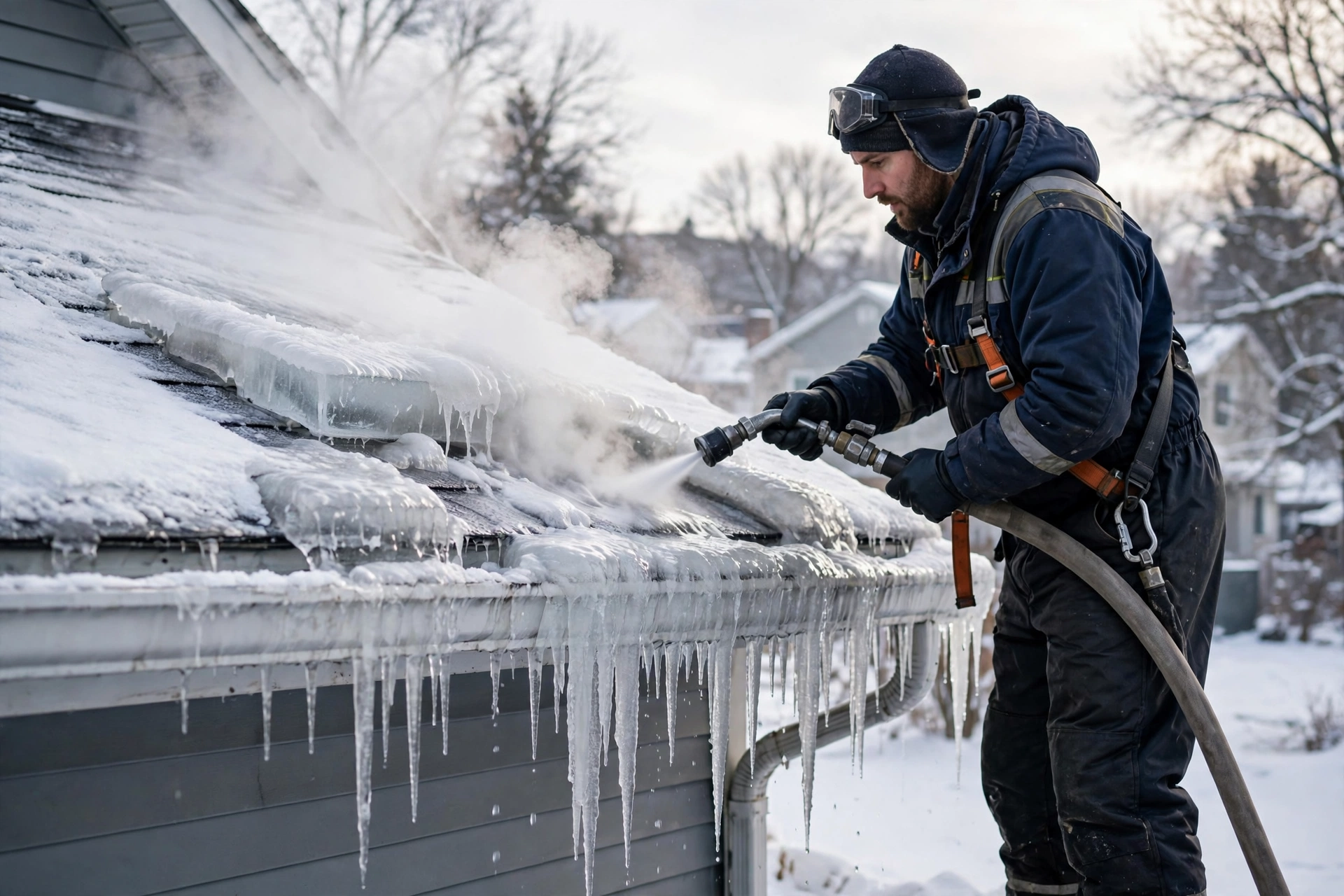
Steam is the safest and most effective professional method. A crew runs a true steamer, not a pressure washer, along the dam and melts it away without touching the shingles. Typical jobs take 2 to 4 hours at $400 to $600 per hour. In competitive northern markets, established crews charge $300 to $500 per hour with defined minimums.
Chipping and pressure washing
Chipping ice with a hatchet or ice pick runs $200 to $300 per hour for 4 to 6 hours of work, but it is risky: chipping cracks and punctures shingles. Hot pressure washers run $200 to $400 per hour, and experts warn they take longer while damaging cold, stiff roofing. When getting quotes, ask directly whether the company uses a true steamer with no trigger gun versus a hot pressure washer. The answer tells you everything about their quality.
Salt and melt tablets
For minor ice issues, a pro can apply calcium chloride salt or roof melt tablets for $200 to $300 total, about 2 hours of work. This opens drainage channels but will not clear an established thick dam. Use only calcium chloride, never rock salt: sodium chloride damages shingles, siding, gutters, and plants.
What affects ice dam removal cost?
- Roof height and pitch. Second story and higher work costs more, and steep pitches slow the crew and raise labor.
- Amount of ice. Deeper snow and thicker dams mean more hours on the roof.
- Emergency premium. A $150 to $500 emergency service fee is common. Water migration does not wait for business hours, and one contractor example showed a $400 emergency premium saving a $6,000 drywall job.
- Region. In northern New England, the Upper Midwest, and the Rockies, competition stabilizes pricing. In regions with rare ice dam seasons, rates spike because steaming equipment is scarce.
- Property protection. Shielding landscaping, decks, and walkways below the work area from falling snow and ice adds cost.
Ice dam prevention costs
Removal treats the symptom. The permanent fix is stopping heat from escaping into your attic, which is what melts the snow that refreezes into dams. Here is what prevention costs.
| Prevention measure | Typical cost (2026 estimate) |
|---|---|
| Attic insulation upgrade | $1,000 to $5,000 |
| Air sealing plus insulation retrofit | $2,000 to $6,000 |
| Heat cable installation (professional) | $600 to $1,800 |
| DIY roof rake | $20 to $50 |
| Professional roof snow clearing (per visit) | $50 to $250 |
Air sealing is the heavy hitter: sealing can lights, bath fans, top plates, and chases before adding insulation. That package runs $2,000 to $6,000 for a moderate size home and addresses the root cause, plus it cuts energy bills. Attic insulation to R-49 with balanced soffit and ridge ventilation is the textbook prescription. Heat cables at $600 to $1,800 create drainage channels but dams can still form above them, so treat cables as a helper, not a cure. A $30 to $50 roof rake used after every heavy snowfall is the cheapest prevention of all.
What ice dam damage repair costs
If the dam already caused leaks, here is the repair side of the bill:
| Repair type | Typical cost (2026 estimate) |
|---|---|
| Small contained drywall repair | $300 to $850 |
| Ceiling drywall repair and repainting | $500 to $2,000 |
| Water damaged wall with finish work | $600 to $1,550 |
| Mold remediation | $1,200 to $6,000+ |
| Full water damage restoration | $2,000 to $10,000+ |
This is why a $1,200 steam removal is the cheap outcome. Once water sits in drywall and insulation, mold remediation alone can run into the thousands.
Can you remove an ice dam yourself?
DIY safe: roof raking from the ground after snowfalls of 4 inches or more, clearing at least 4 feet up from the eaves. You can also lay calcium chloride in pantyhose or tube socks across the dam every 2 to 3 feet to melt drainage channels. That costs about $20 for a box of pucks.
Hire a pro for any thick established dam, any active leak, steep or two story roofs, and metal roofs, since rakes and picks scratch metal and can dislodge standing seam fasteners. And the safety rules are absolute: never stand on a ladder while raking, never climb onto an icy roof, stay clear of power lines. Shingles are brittle in cold weather and break easily, and falling icicles cause real head injuries.
While you are thinking about winter roof care, see gutter cleaning costs and roof repair costs to keep the whole system ready for the season.
How to save money on ice dam removal
- Rake snow off after every heavy snowfall before it melts and refreezes. A $30 to $50 roof rake prevents a $1,000+ steam visit.
- Use calcium chloride socks to open drainage channels early instead of waiting for a full dam to form.
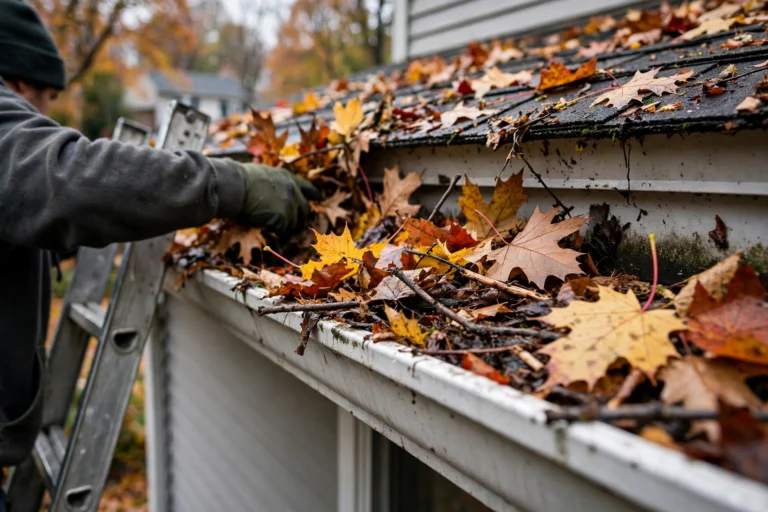
- Clean gutters in the fall. Clogged gutters do not cause dams but make standing water worse once a dam forms.
- Fix the cause, not the symptom. Air sealing plus insulation ($2,000 to $6,000) ends recurring dams and cuts energy bills, versus paying for removal every winter.
- Schedule non emergency daytime service. If the ceiling stain is old with no active dripping, a scheduled visit costs far less than an emergency call.
- Get 3 quotes and ask what equipment they use. Confirm true steam with no trigger gun, not a hot pressure washer, and ask about minimum charges and trip fees.
- Clear snow yourself before the crew arrives and give them water access and parking. Less crew time on site means a lower hourly bill.
Frequently asked questions
How much does ice dam removal cost in 2026?
$650 to $2,000 for professional removal, averaging about $1,200. Steam runs $800 to $2,400; salt or tablet treatments run $200 to $300.
How long does ice dam removal take?
Steam removal typically takes 2 to 4 hours. Chipping takes 4 to 6 hours. Salt and tablet treatments take about 2 hours.
Does homeowners insurance cover ice dam removal?
Usually the removal itself is not covered, but resulting water damage often is. Average claim payouts run about $8,000 per incident. Document damage with photos and check your policy.
Can I just leave an ice dam alone?
If there is no sign of leakage in soffits, attic, or ceilings, you may not need to act. But pooled water behind a dam can seep under shingles and cause hidden damage, so monitor closely after warm spells.
Is steam or chipping better?
Steam. It melts ice without damaging roofing. Chipping risks cracked or punctured shingles, and pressure washers can damage cold, stiff roofs.
How do I prevent ice dams permanently?
Air sealing plus attic insulation to R-49 with balanced soffit and ridge ventilation. That package runs $2,000 to $6,000 and addresses the root cause: heat escaping into the attic.
Prevention starts with clearing the roof. Our snow removal cost guide covers roof snow removal pricing alongside driveway service costs.