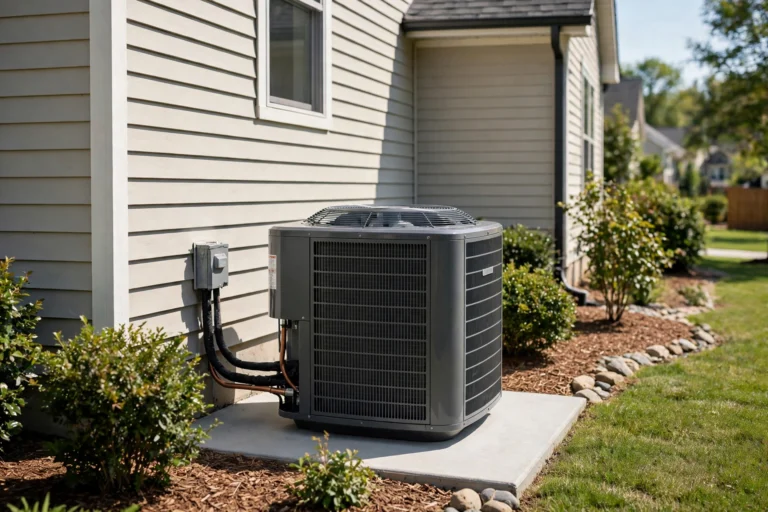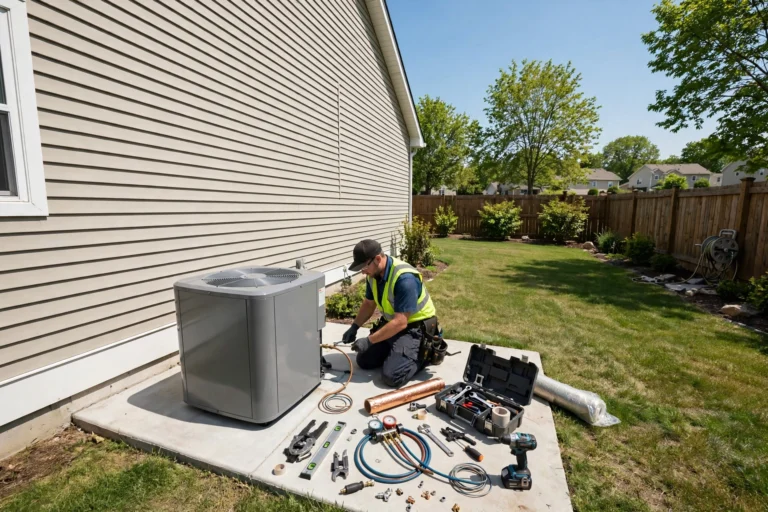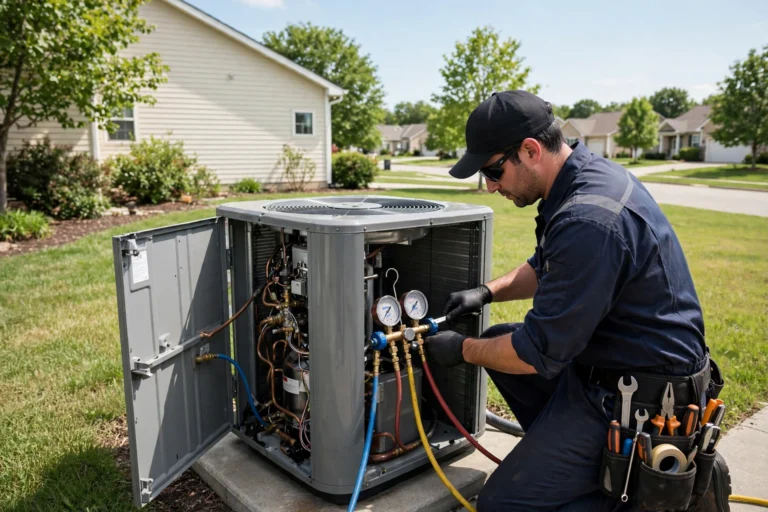
Cost to Winterize a House 2026
Quick answer: Winterizing a house costs $500 to $5,000 in 2026, depending on how much you do yourself. A DIY-focused winterization (caulking, pipe insulation, faucet covers, gutter cleaning, window film, smart thermostat) runs about $500 to $1,300. Hiring pros for the big items (furnace tune-up, attic insulation top-up, chimney sweep, roof inspection) pushes the total to $2,500 to $6,500. All prices below are estimates. Get 3 local quotes before hiring anyone.
Every fall, homeowners across the country do the same ritual: they promise to prep the house before the first cold snap, then scramble when it hits. The problem is that most winterization checklists online tell you what to do but never tell you what it costs. This guide is the one with actual numbers: every task on a real winterization checklist, with honest 2026 price ranges, DIY versus pro options, and a total budget at the end so you can plan your fall weekend like a project manager.
Winterization Checklist: Every Task With Its 2026 Cost
Below is the full checklist in the order you should actually tackle it, from the heating system out to the yard. Start in early fall: prices climb and appointments vanish once the first frost is forecast.
1. Furnace tune-up (heating system service)
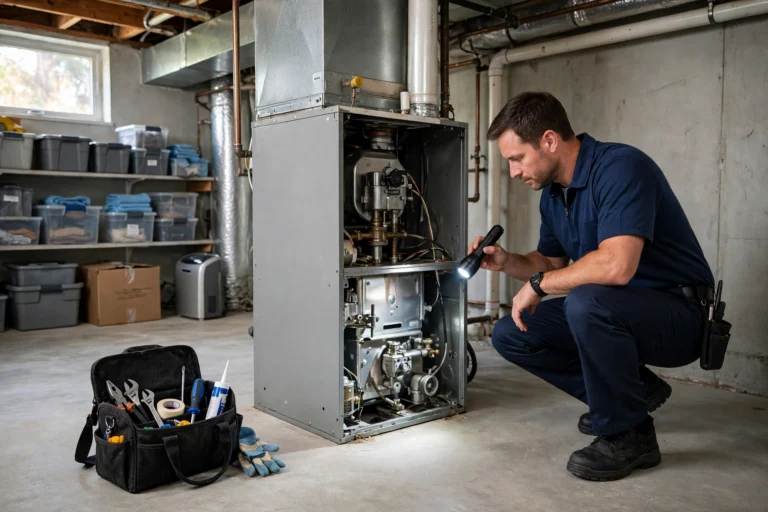
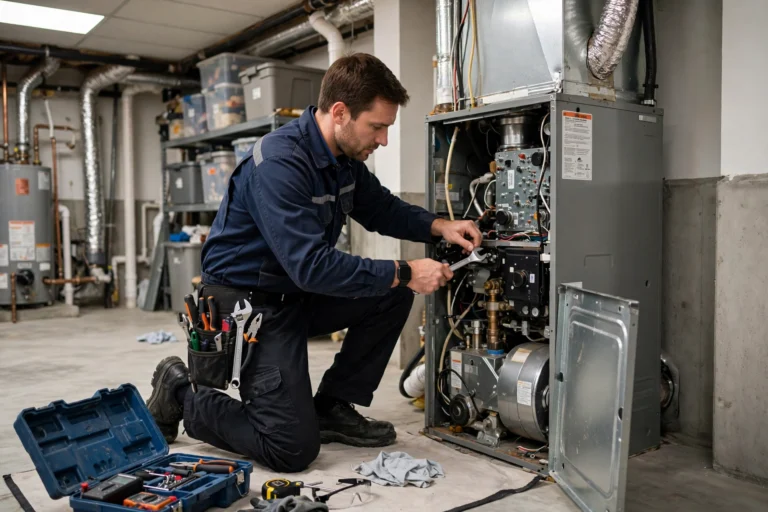
This is the single most important winterization task, and the cheapest insurance you can buy. A tech cleans the burners, checks the heat exchanger for cracks, tests carbon monoxide levels, inspects the blower, and makes sure the ignition system fires cleanly. Skipping it is how people end up with a dead furnace on a January night.
- Professional tune-up: $100 to $200, with most homeowners paying around $150. Some companies push $250 to $300 packages, but those usually fold in extras you may not need.
- DIY basics: $15 to $30 per filter, changed quarterly. You can swap the filter and clear vents yourself, but leave gas and combustion checks to a licensed tech.
- Best time to book: September to early October. Fall tune-up specials are common before the heating season rush.
If your tune-up turns up a cracked heat exchanger or a furnace past 20 years old, replacement starts getting realistic. See our furnace replacement cost guide for full 2026 pricing.
2. Caulking and weatherstripping
Air leaks around windows, doors, and foundation joints are pure money floating out of your house. A weekend of caulking and weatherstripping is the highest-return winterization project there is.
- DIY materials: $50 to $150. That covers a few tubes of exterior caulk, weatherstripping rolls for doors, door sweeps, and foam sealant for larger gaps. A caulk gun is under $15 if you do not own one.
- Pro service: $200 to $600, depending on house size and how many windows and doors need attention. Worth it for tall windows or homes with dozens of drafty openings.
- Priority spots: exterior door frames, basement rim joists, attic hatch, plumbing and electrical penetrations, and anywhere two materials meet.
3. Attic insulation top-up
Heat rises, and an under-insulated attic is the biggest single source of winter heat loss in most homes. If you can see the tops of your ceiling joists, you need more insulation. Most older homes benefit from topping up to R-38 or R-49.
- Professional blown-in top-up: $1,500 to $3,500 for a typical attic. Blown-in cellulose or fiberglass runs $1 to $2.50 per square foot installed, so a 1,200 square foot attic lands around $1,800 to $3,000 before extras.
- Add-ons that matter: air sealing before insulating adds $300 to $600 and is the step cheap quotes skip. Do not skip it.
- DIY: big-box stores rent insulation blowers free with a bulk bag purchase, bringing materials to roughly $800 to $1,500. It is dusty, hot work in a cramped attic, so price your weekend accordingly.
- Payback: many homeowners see 10 to 15 percent lower heating bills, which means a top-up often pays for itself in a few winters.
4. Pipe insulation and freeze protection
Burst pipes are one of the most expensive home emergencies, and the prevention is almost embarrassingly cheap. Focus on exposed pipes in garages, crawl spaces, attics, and exterior walls.
- DIY: $50 to $150. Foam pipe sleeves cost about $1 to $11 per linear foot and snap on in minutes. Outdoor faucet covers are $5 to $10 each.
- Pro: $100 to $400 for insulating a full run of exposed plumbing, or adding heat cable on problem pipes.
- Do not forget: know where your main water shutoff is before the freeze arrives. If a pipe does burst, that valve is the difference between a mop-up and a disaster.
5. Gutter cleaning
Clogged gutters overflow and freeze into ice dams, which back water up under your shingles and into your attic. Clean them after the leaves fall, not before.
- Professional: $150 to $350 for most single-family homes, with the national average around $168. Multi-story homes and heavy tree cover push toward the top of the range.
- DIY: free if you own a ladder and gloves, maybe $30 for a scoop and bucket set. Two-story homes and steep roofs are a legit reason to hire this out.
- While they are up there: check that downspouts direct water at least 4 to 6 feet from the foundation.
6. Chimney sweep and inspection
If you burn wood, creosote buildup is a genuine fire hazard, and fall is when every chimney company gets booked solid. A sweep with a basic inspection is the standard annual service.
- Sweep with Level 1 inspection: $150 to $350, with most homeowners paying around $250. Gas fireplace flues are cheaper at $80 to $150.
- Deeper inspection (Level 2, camera): $250 to $500, usually bundled with the cleaning.
- Book early: October pricing runs higher than spring or summer. Chimney caps ($200 to $850 installed) are a smart add-on that keeps rain, birds, and debris out.
7. Roof inspection and minor repairs
Winter is the worst time to discover a leak. A fall inspection catches missing shingles, cracked flashing, and worn sealant while repairs are still cheap and easy to schedule.
- Professional inspection: $150 to $400. Some roofers apply the inspection fee toward repairs if you hire them.
- DIY check: free from the ground with binoculars, plus an attic look for stains and daylight. Never climb a wet or steep roof yourself.
- Minor repairs: small fixes like replacing a handful of shingles or resealing flashing run $150 to $500. If the roof is near the end of its life, see our new roof cost breakdown for 2026 replacement pricing.
8. Outdoor faucet and sprinkler winterization
Disconnect every hose, drain outdoor faucets, and shut off exterior water lines before the first hard freeze. Irrigation systems need a proper blowout.
- DIY faucet winterizing: $10 to $30 for insulated faucet covers. Five minutes per faucet.
- Professional sprinkler blowout: $75 to $250, with most standard 5 to 6 zone systems around $100 to $130. Extra zones cost $10 to $20 each.
- DIY blowout: renting a commercial-grade air compressor runs $75 to $100 a day, but doing it wrong can crack pipes, so most homeowners hire this one out.
9. Storm windows and window insulation kits
Old single-pane windows are heat sieves. You do not need to replace them before winter; sealing them up is a fraction of the cost.
- DIY window film kits: $15 to $40 per kit, and one kit usually covers 3 to 5 windows. The shrink-film look is barely noticeable once applied with a hair dryer.
- Interior storm window panels: $100 to $300 per window installed, a big step up in comfort for the worst offenders.
- Full storm window install (pro): $2,000 to $5,000 for a whole house. Worth considering only if you plan to keep the existing windows long term.
10. Smart thermostat installation
A programmable or smart thermostat trims heating bills by automatically dropping the temperature while you sleep or are away. Energy Star data suggests about 8 percent savings on heating and cooling.
- DIY: $75 to $250 for the device itself (basic programmable on the low end, Nest or ecobee on the high end). Installation is usually 30 to 60 minutes if you have a C-wire.
- Professionally installed: $150 to $400 total, device plus labor. No C-wire adds $75 to $150 for a new wire run.
- Rebates: many utilities offer $50 to $100 rebates on smart thermostats, which can cut the net cost nearly in half. Check your utility before you buy.
11. Generator: worth considering, briefly
A winter storm outage without heat is miserable and dangerous. A portable generator ($500 to $2,500) can run a furnace, fridge, and a few lights; a whole-home standby unit ($7,000 to $15,000 installed) kicks in automatically. If outages are rare in your area, a portable unit plus fuel storage is the budget-friendly hedge. Never run a generator indoors or in a garage.
Total Winterization Budget: DIY Route vs Pro Route
| Task | DIY route | Pro route |
|---|---|---|
| Furnace tune-up | $15 – $30 (filters only) | $100 – $200 |
| Caulking and weatherstripping | $50 – $150 | $200 – $600 |
| Attic insulation top-up | $800 – $1,500 (blower rental + bags) | $1,500 – $3,500 |
| Pipe insulation | $50 – $150 | $100 – $400 |
| Gutter cleaning | $0 – $30 | $150 – $350 |
| Chimney sweep + inspection | Not recommended DIY | $150 – $350 |
| Roof inspection | $0 (ground check) | $150 – $400 |
| Faucet covers / sprinkler blowout | $10 – $60 | $75 – $250 |
| Window insulation kits | $30 – $80 | $100 – $300 |
| Smart thermostat | $75 – $250 | $150 – $400 |
| Total | $500 – $1,300 | $2,500 – $6,500 |
The realistic middle ground for most homeowners is a hybrid: hire pros for the furnace tune-up, chimney sweep, and attic insulation, and DIY the caulking, pipe insulation, gutters, and window film. That typically lands around $1,200 to $2,500, which buys nearly all the protection of the full pro route.
DIY vs Hire a Pro: Where Each Makes Sense
DIY these: caulking and weatherstripping, pipe insulation sleeves, faucet covers, window film kits, gutter cleaning on a single-story home, thermostat install if you have a C-wire. These are low-skill, low-risk jobs where the savings are real.
Hire a pro for these: furnace tune-up (gas and combustion safety), chimney sweep (creosote is a fire hazard), sprinkler blowout (wrong air pressure cracks pipes), attic insulation on a large or awkward attic, and anything on a steep roof. The pro premium is buying safety and done-right-the-first-time.
If your heating system needs more than a tune-up this fall, our HVAC replacement cost guide breaks down full 2026 system pricing so you can plan instead of panic.
How to Save on Winterization
- Schedule in September, not November. Fall specials on tune-ups and chimney sweeps disappear once demand spikes.
- Bundle services. Ask your HVAC company about fall packages that combine the tune-up with a thermostat install or duct check.
- Claim rebates and tax credits. Insulation and smart thermostats often qualify for utility rebates and federal energy tax credits. Keep every receipt.
- Buy materials in bulk. One trip for caulk, weatherstripping, pipe sleeves, and window kits beats five hardware store runs.
- Get 3 quotes for every pro job. Winterization prices vary wildly between contractors in the same zip code. Itemized quotes make comparisons honest.
Frequently Asked Questions
How much does it cost to winterize a house in 2026?
$500 to $1,300 for a DIY-focused winterization, or $2,500 to $6,500 hiring pros for the major tasks. A hybrid approach (pros for furnace, chimney, and insulation; DIY for the rest) typically costs $1,200 to $2,500.
What is the most important winterization task?
The furnace tune-up. A $100 to $200 service visit prevents mid-winter breakdowns, catches carbon monoxide risks, and keeps the system running efficiently all season. Book it in September or early October.
When should I winterize my house?
Start in September and finish before the first hard freeze, which is typically October to November in northern states and November to December in the South. Contractors book up fast in October, and prices rise with demand.
Can I winterize my house myself?
Most of it, yes. Caulking, weatherstripping, pipe insulation, faucet covers, window film, and gutter cleaning are all solid DIY projects. Hire pros for the furnace tune-up, chimney sweep, sprinkler blowout, and anything involving gas, combustion, or steep roofs.
Does winterizing actually save money?
Yes. Attic insulation and air sealing alone can cut heating bills 10 to 15 percent, a smart thermostat saves around 8 percent on heating and cooling, and a $150 tune-up can prevent a $300 to $500 emergency repair call. Most winterization spending pays back within one to three heating seasons.
How much does a furnace tune-up cost in 2026?
$100 to $200 for a standard professional tune-up, with fall specials sometimes dropping below $100. Service call fees for actual repairs run $75 to $200 on top of parts and labor.
Last updated: October 2026. Cost figures reflect 2026 national averages from contractor pricing data. Always get local quotes before committing.
Snow service is the other half of winter prep. Our snow removal cost guide covers driveway contracts, per visit prices, and roof snow removal.