Solar Panel Inspection Cost 2026
A rooftop solar system works quietly for years, and that silence can hide a slow slide in output. The average solar panel inspection cost in 2026 is $200, according to Angi, based on its October 2026 cost guide. Most homeowners pay between $150 and $350, while the full range runs from about $100 at the low end to $500 at the high end. Those are national estimate ranges, not quotes. The final bill depends on inspection type, system size, and roof access.
This guide breaks down solar panel inspection cost by inspection type and by system size, shows four worked examples, and explains when an inspection is actually needed. Every price here is an estimate from the US contractor market. Get 3 local quotes and ask each company to price the same inspection type, panel count, and roof access, so the numbers compare fairly.
Do not count on a federal tax credit to offset a 2026 inspection or install. Federal residential energy credits are $0 for property placed in service after December 31, 2025, covering both the Section 25C and Section 25D credits. State and utility incentives may still exist, and you can check what is available where you live through the DSIRE database of state incentives and policies.
Solar Panel Inspection Cost by Inspection Type
The table below shows solar panel inspection cost for each of the four main inspection types, from a basic visual check to a full thermal scan.
| Inspection type | Typical cost | What it finds |
|---|---|---|
| Visual inspection | $150 to $200 | Visible damage, dirt, debris, loose mounts, worn sealant |
| Electrical inspection | $200 to $300 | Loose or corroded connections, inverter faults, string underperformance |
| Drone inspection | $250 to $350 | Visible damage on steep or multi story roofs, without walk on access |
| Thermal imaging inspection | $300 to $400 | Hot spots, dead cells, microcracks, hidden wiring faults |
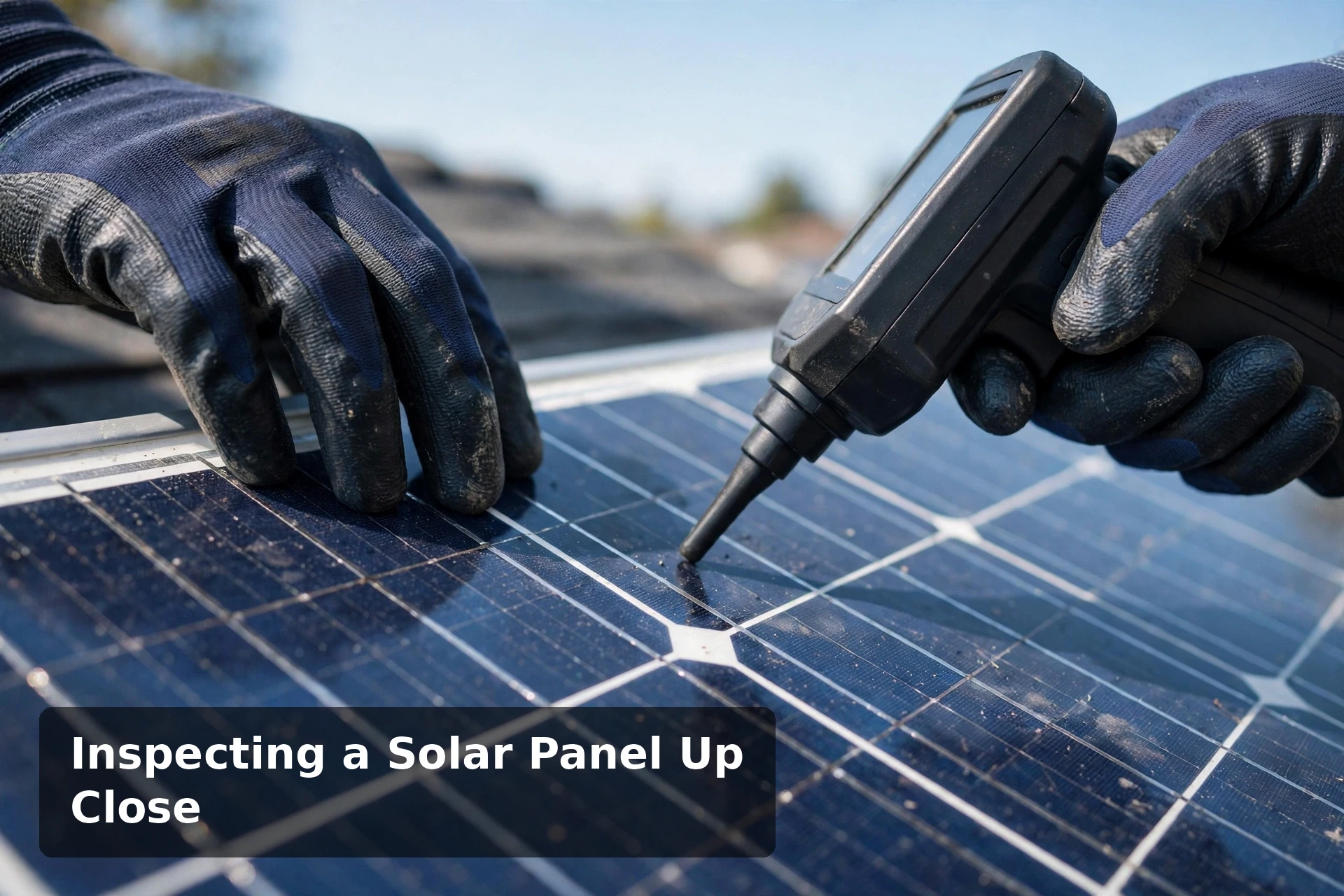
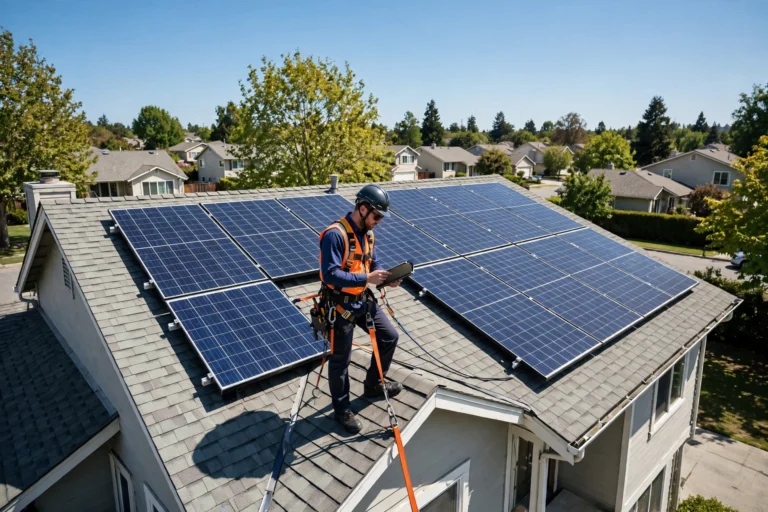
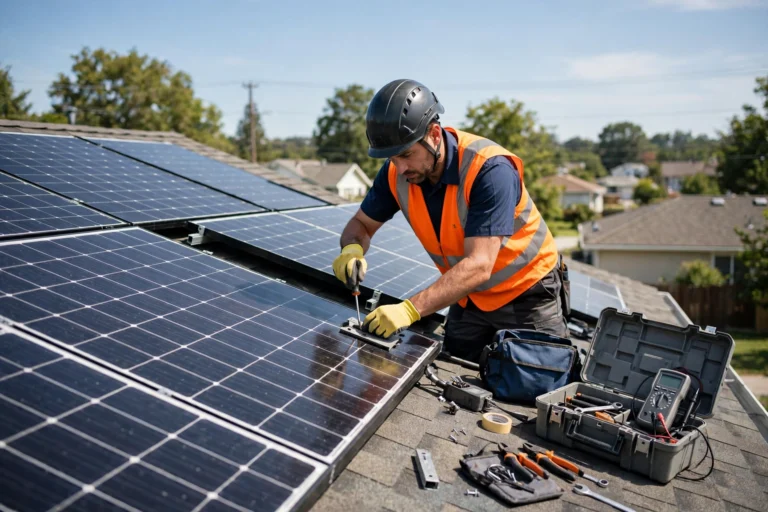
Visual inspection, $150 to $200. This is a hands on roof and ground check of the panels, racking, mounts, and flashing. The inspector looks for cracked or chipped glass, dirt and debris buildup, bird nesting under the panels, loose racking, and sealant or flashing wear. At $150 to $200, this is the lowest solar panel inspection cost of the four types, and it is the right choice for a routine annual check when the system is producing normally and nothing looks wrong from the ground.
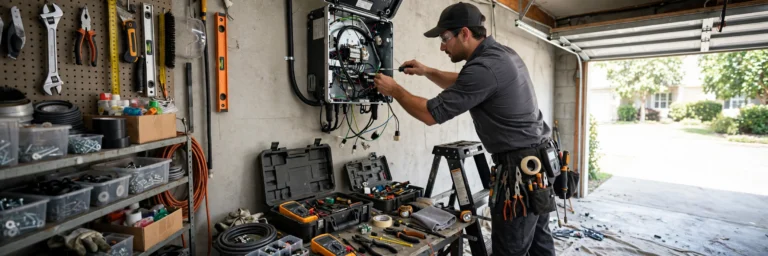
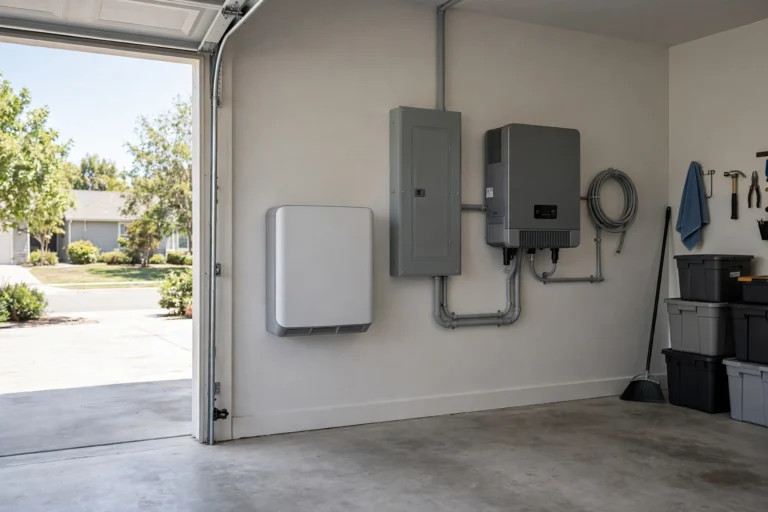
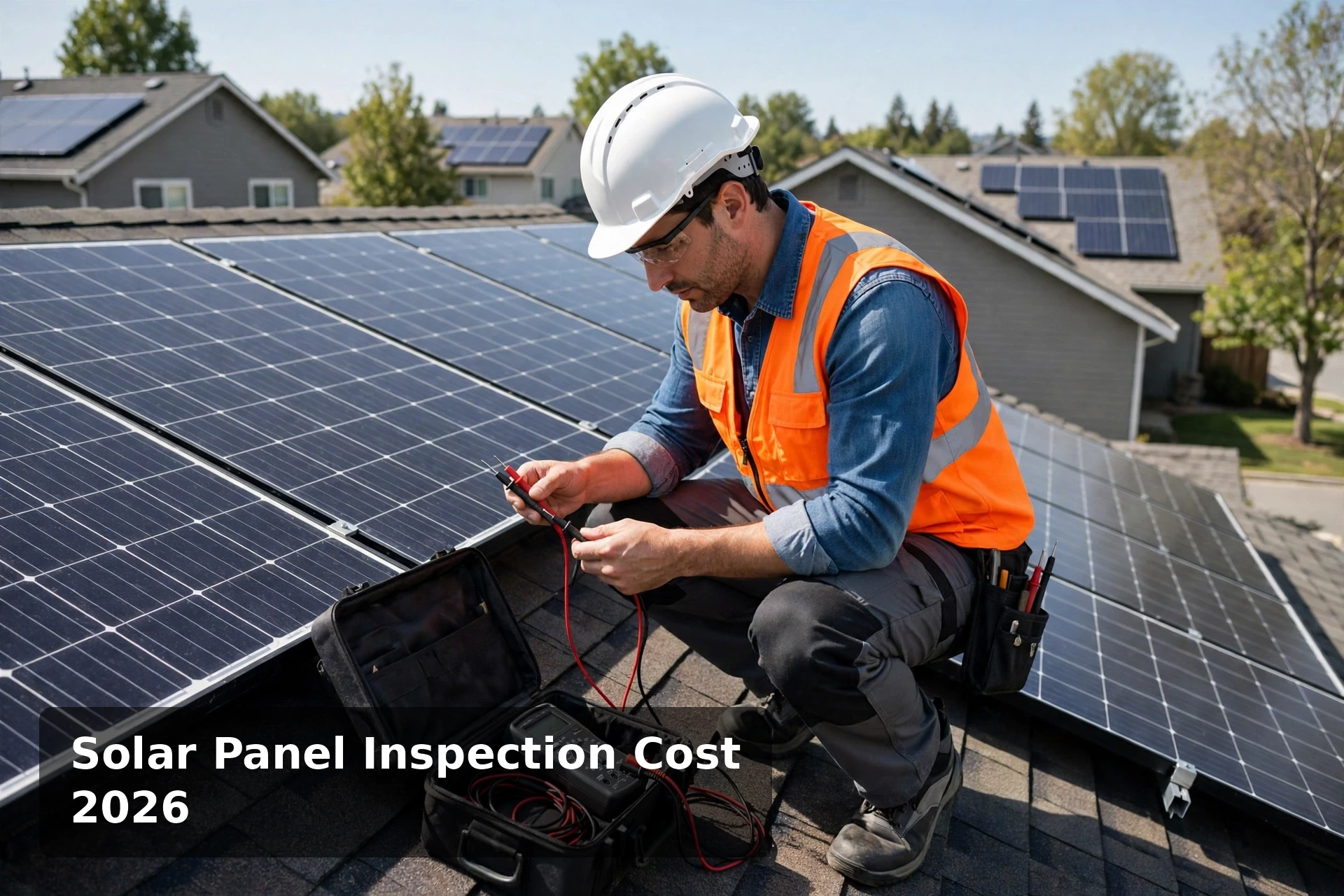
Electrical inspection, $200 to $300. This check tests the wiring, connections, inverter, and overall performance, using a meter and production data. It finds loose or corroded connections, inverter faults, a string of panels underperforming, and wiring faults that explain a production drop. The solar panel inspection cost for an electrical check runs $200 to $300, and it is the best call for an older system or whenever output has fallen and the panels look fine. If the electrical check points to inverter trouble, a replacement may be the next step.
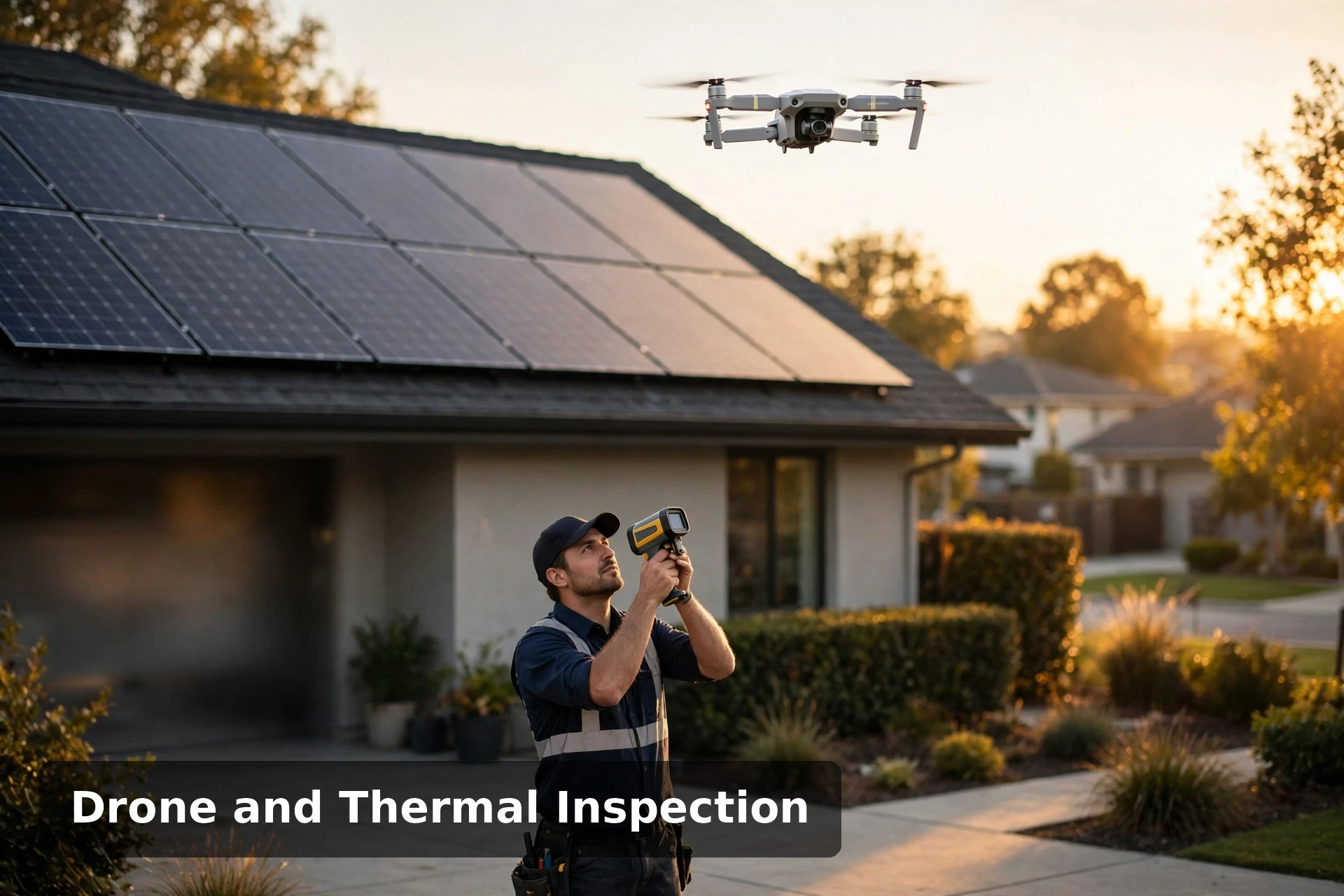
Drone inspection, $250 to $350. A drone with a high resolution camera photographs the array from above, which suits steep roofs, multi story homes, and fragile roofing that should not be walked on. It finds the same visible damage as a hands on visual check, plus roof level issues such as slipped panels and damaged flashing, with no climbing. The solar panel inspection cost for a drone visit runs $250 to $350, and the price rises with roof complexity and the number of flight passes needed to cover the array.
Thermal imaging inspection, $300 to $400. An infrared camera scans the panels for heat patterns the eye cannot see. It finds hot spots, dead or failing cells, microcracks, and wiring faults that are invisible in daylight. The solar panel inspection cost for a thermal scan runs $300 to $400, the most expensive single type, and the best choice when output is low but nothing looks wrong, or as a pre sale check before buying a home with solar. A single visit can combine types, such as visual plus electrical or drone plus thermal, and a combined visit costs more than any one type alone.
Solar Panel Inspection Cost by System Size
System size shapes solar panel inspection cost because a bigger array takes more time to walk, photograph, and test. Most homes with up to 20 panels are covered under a flat rate.
| System size | Panels | Typical cost |
|---|---|---|
| Up to 5 kW, residential | 10 to 20 panels | $150 to $250 |
| 6 to 10 kW, large home or small business | 21 to 35 panels | $200 to $350 |
| Over 10 kW, large or commercial | 36 or more panels | $300 to $500 or more |
On systems of 30 panels or more, many inspectors add $5 to $15 per panel on top of the base fee, so a 36 panel array can add $30 to $90 before any add ons. Flat rate pricing usually stops around 20 panels. If your array sits near a size boundary, ask whether the quote is a flat rate or a base fee plus a per panel charge, because the two styles can land $50 or more apart on the same roof.
When an Inspection Is Needed
Knowing when to book is as useful as knowing solar panel inspection cost. An inspection at the right moment catches a small fault before it becomes a dead string or a roof leak, and the timing often decides which inspection type you need.
- Production drop. A fall in output with no weather explanation is the top trigger. Book an electrical or thermal inspection, since a visual check rarely finds the cause.
- After storms. Hail, high wind, heavy snow, or extreme heat can crack glass, shift panels, or loosen mounts. Schedule right after the event, and expect an emergency callout to add $50 to $150.
- Visible damage. Cracked glass, shifted panels, debris impact, or animal nesting seen from the ground all justify a visit. If the inspector finds damage that needs fixing, our guide to solar panel repair costs explains what the fix usually runs.
- Before a home sale. An inspection verifies the system performs as claimed, including whether the panel count matches the listing. This matters most for leased systems, where the buyer inherits the lease.
- Permit or authority requirement. Some jurisdictions require an inspection for a permit, for interconnection, or after re roofing, and the authority having jurisdiction sets the rules.
- Routine schedule. An annual inspection is the standard for most homeowners, and it fits naturally into routine solar panel maintenance. Semi annual checks suit older systems or harsh climates, and a regular schedule also supports warranty requirements.
- Warranty or insurance claim. Written documentation from a professional inspection supports a claim and keeps warranty terms intact, which a do it yourself look cannot do.
Worked Examples: What Homeowners Actually Pay
The four examples below show how solar panel inspection cost changes with system size, roof access, and inspection type. Each one ends with the same advice: get 3 local quotes.
Example 1, small routine check. A 5 kW system with 14 panels on a single story roof with easy access. A visual inspection only runs about $150 to $200. Add an electrical check on the same visit and the total rises to about $200 to $250. The solar panel inspection cost for this small routine check stays at the visual rate, because the roof is easy to reach and the panel count is low. Get 3 local quotes.
Example 2, mid size system with a production drop. A 7 kW system with 22 panels on a two story roof, with output down 15 percent and no visible damage. An electrical inspection plus thermal imaging runs about $300 to $400 for the combined visit. The solar panel inspection cost for this combined visit sits above either type alone, because the inspector runs two sets of equipment in one trip. If the inspector finds a faulty connector, small parts run $10 to $50 each on top. Get 3 local quotes.
Example 3, after hail, hard to reach roof. A 10 kW system with 28 panels on a steep roof, inspected right after a hailstorm. Drone plus thermal imaging runs about $300 to $400, plus a $50 to $100 hard access charge, for a total of about $350 to $500. The solar panel inspection cost for the hail damage visit reflects the drone work and the roof, not just the panel count. If booked as an emergency callout right after the storm, add $50 to $150. Get 3 local quotes.
Example 4, large residential system. A 12 kW system with 36 panels. The base inspection runs $300 to $500 or more, and the per panel charge of $5 to $15 applies to the panels over 30, so plan on $330 to $500 or more before any add ons. The solar panel inspection cost for the big system is driven by panel count and roof time more than by inspection type. Get 3 local quotes.
What Drives the Price Up or Down
Inspection type is the biggest driver of solar panel inspection cost. A visual check is the cheapest option and a thermal scan is the most expensive, with electrical and drone checks in between. System size comes second, then roof access, then location and add ons.
Add ons push the solar panel inspection cost above the base type price, so a combined visit is priced from the add on table below.
| Add on | Extra cost |
|---|---|
| Thermal camera | $50 to $150 extra |
| Drone | $75 to $200 extra |
| Electrical system testing | $50 to $100 |
| Performance monitoring and reporting | $50 to $100 |
| Panel cleaning during inspection | $50 to $150 |
| Infrared or thermal imaging | $100 to $200 |
Roof access is the next big driver. A steep pitch, a multi story home, or fragile roofing adds $50 to $100, because the inspector needs more time and safety gear. Labor rates run $60 to $100 per hour depending on experience and region, and an emergency callout after severe weather adds $50 to $150. Location matters too, since labor rates and travel time vary by market. Minor parts found during the visit, such as fuses and connectors, run $10 to $50 each, and small repairs found on the spot run $10 to $100 per item. The US Department of Energy Homeowner’s Guide to Solar explains how solar systems work, which helps you understand what the inspector is testing.
DIY vs a Professional Inspection
A do it yourself check costs nothing and is worth doing every few months. Look at the panels from the ground for cracks, debris, and nesting, check the monitoring app for a production dip, and note any new shading from tree growth. Those two habits catch the obvious problems early. But a ground level look cannot test wiring, cannot see a hot spot, and cannot measure whether a string is underperforming.
Some homeowners ask whether a free DIY look can replace paying the solar panel inspection cost. It cannot, because a professional brings a thermal camera, electrical testing gear, and roof access equipment, and the visit produces written documentation. Paying the solar panel inspection cost also buys a report you can hand to a warranty provider or an insurer, which matters when a claim depends on proof. Book a professional once a year, and use the DIY checks in between as an early warning system rather than a replacement.
Frequently Asked Questions
What is the typical price of an inspection?
The solar panel inspection cost averages $200, with most jobs landing between $150 and $350. A basic visual check runs $150 to $200, an electrical check runs $200 to $300, a drone visit runs $250 to $350, and a thermal scan runs $300 to $400. The low end is about $100 and the high end is about $500.
How often should I have my panels inspected?
Once a year is the standard for most homeowners. Older systems, harsh climates, and roofs hit by a major storm should be checked twice a year. A regular schedule also keeps warranty terms intact, since many manufacturers expect documented professional checks.
How long does an inspection take?
A visual check on a small residential roof takes about one to two hours. An electrical inspection takes longer because the inspector tests wiring and reviews production data, and a combined visit with thermal imaging or a drone can take half a day on a large array.
Can an inspection find problems I cannot see?
Yes, that is the main reason to book a thermal scan. Your solar panel inspection cost depends on the type you choose, and only thermal imaging finds hot spots, dead cells, and microcracks that look normal in daylight. A visual check finds surface damage, while an electrical check finds wiring and inverter faults that explain a production drop.
Does the inspector check the inverter?
An electrical inspection does, since the inverter, wiring, and connections are part of the test. A visual only visit may note obvious inverter damage but will not test performance. If the electrical check finds a fault, see our guide to solar inverter replacement costs for what the next step usually runs.
What happens if the inspector finds damage?
You get a written report describing the fault, its location, and whether it is urgent. Cracked glass, a failed string, and corroded connectors are the common findings. Small items can often be fixed on the spot for $10 to $100 per item, and larger damage is priced as a repair.
Will insurance or warranty cover an inspection?
Sometimes. Storm damage inspections are often covered when you file a claim, and a professional report strengthens that claim. Warranty coverage varies by manufacturer, so check your warranty terms before booking, and keep the written report either way, since it is proof the system was maintained.
A solar panel inspection cost of $200 is a small price for proof that a system worth thousands is still performing as it should. Book the right type for the situation, a visual check for a routine look, an electrical or thermal check when output drops, and a drone visit when the roof is hard to reach. Get 3 local quotes, compare the same inspection type and panel count, and file the written report with your warranty papers.
Sources
Angi
US Department of Energy
DSIRE
EnergySage
SolarReviews
SEIA
NREL
ENERGY STAR